Most Beautiful Places to Go Camping in the US, and How to Book a Site
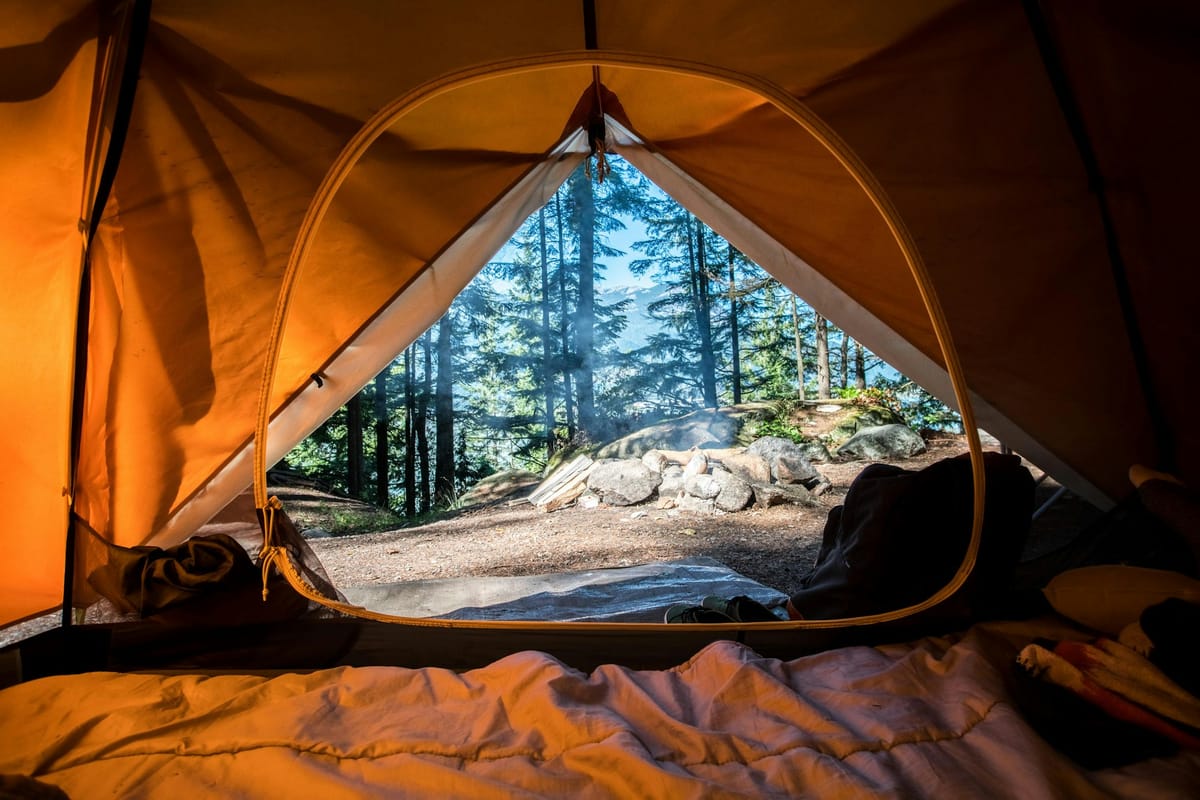
The most beautiful places to camp in the US are also the hardest campsites to get. At Yosemite, the park says reservations for its main valley campgrounds open five months ahead at 7 am Pacific time and sell out within minutes. Acadia releases most of its sites six months out. Custer State Park in South Dakota takes bookings a full year ahead. If you want a campsite with a scenic view in summer 2027, the booking windows for many of these campgrounds open this winter and spring.
This guide covers 11 places to camp across national parks, a national seashore, a state park and a national forest. For each one we list what makes it worth the trip and how the campground actually works: seasons, booking windows, hookups and the rules that catch people out. Every fact comes from the agency that runs the campground (the National Park Service, the USDA Forest Service or the state park system), checked in late October 2026. Dates and rules change every year, so check the official page again before you book.
How booking a campsite works
Most federal campgrounds, including national park and national forest campgrounds, are booked on Recreation.gov or by phone at 877-444-6777. At many parks, including Grand Canyon, Joshua Tree and Assateague Island, campsites open up to six months before your arrival date. Not every park follows that pattern. Yosemite and Acadia release sites on a set day each month, and some campgrounds hold back a share of sites for shorter windows of two weeks or a few days.
- Know your release time. Write down the exact day and hour your dates open, log in early and have two or three backup campsites picked.
- Check first-come sites. Some campgrounds still keep first-come, first-served sites, mostly outside peak season. Arrive early on a weekday.
- Passes do not cover camping. The National Park Service says the America the Beautiful annual pass ($80 for US residents and $250 for non-residents in 2026) covers entrance and standard day-use fees, not campsite fees. Senior Pass holders may get 50 percent off some camping fees.
- Tent or RV. Many national park campgrounds have no hookups at all. If you need electric or water for an RV, read the campground page before you book.
For the parks themselves, our guide to US national parks covers what to see once you are there.
Yosemite National Park, California
Granite walls, waterfalls and giant sequoias make Yosemite the classic national park campground trip. The park runs 13 campgrounds. The ones most people want are Upper Pines, Lower Pines and North Pines in Yosemite Valley, within reach of the valley's trails, plus Wawona and Hodgdon Meadow.
- Booking: Upper Pines, Lower Pines, North Pines, Wawona and Hodgdon Meadow release five months ahead on the 15th of each month at 7 am Pacific. The park says these sell out within minutes.
- Year-round: Upper Pines is the only campground on reservations all year. Most other campgrounds take reservations from April through October.
- High country: Tuolumne Meadows is open from about July to late September. Half its sites release two months ahead and half two weeks ahead.
- Short notice: several high country campgrounds release two weeks ahead on a rolling basis, and Camp 4 releases one week ahead.
Grand Canyon National Park, Arizona
Camping on the South Rim puts you a short walk or shuttle ride from the canyon edge for sunrise and sunset. The National Park Service runs two South Rim campgrounds, Mather and Desert View, and the North Rim has its own seasonal campground.
- Mather Campground: in Grand Canyon Village, open all year, no hookups, with free shuttle bus service. Reservations open up to six months ahead.
- Desert View Campground: 26 miles east of Mather on Desert View Drive. Open spring to fall (April 11 through October 18 in 2026), no hookups, reservations required.
- North Rim Campground: seasonal, with no water or RV hookups. It closes for winter in mid-October. Check the North Rim status page for opening dates and closures.
- RV note: Trailer Village, the full-hookup RV park in the village, was listed as closed due to a water shortage in October 2026.
Great Smoky Mountains National Park, Tennessee and North Carolina
The Smokies had more than 12 million recreational visits in 2024, the park says, and the campgrounds show it. The park has 10 developed campgrounds with about 1,000 campsites, 848 miles of trail and 74 miles of the Appalachian Trail along the high ridges.
- Year-round: Cades Cove and Smokemont are open all year. The others are seasonal.
- Reservations: the park says advance reservations are required.
- Hookups: only some sites at Look Rock Campground have electric and water hookups.
- Parking tag: you do not need one while parked at your campsite, but you do if you park anywhere else in the park, such as a trailhead.
Cades Cove makes a good base camp for the valley loop road and its wildlife. Smokemont, on the North Carolina side, is close to the Oconaluftee area.
Acadia National Park, Maine
Acadia mixes rocky coast, granite peaks and carriage roads. It has three main drive-in campgrounds and one island campground reached by boat.
- Blackwoods: on the east side of Mount Desert Island, close to the Park Loop Road.
- Seawall: on the quieter west side of Mount Desert Island, near the coastline.
- Schoodic Woods: on the Schoodic Peninsula, the only part of the park on the mainland.
- Booking: at all three, 90 percent of sites open six months ahead on the first of each month at 10 am Eastern. The other 10 percent open 14 days ahead on a rolling basis.
- Duck Harbor: on Isle au Haut, reachable only by mailboat. All sites for the season open at 10 am on April 1. There is no drinking water, so treat water or bring enough.
- Winter: the park does not allow winter camping.
Yellowstone National Park, Wyoming, Montana and Idaho
Yellowstone has 11 campgrounds with more than 2,000 campsites, spread across geyser basins, lakeshore and the Lamar Valley side of the park. Most are open from late spring to early fall. The park's campground page already lists 2027 dates, for example May 7 to October 16 for Madison and Bridge Bay.
- Year-round: Mammoth is open all year, with reservations only from April 15 to October 15.
- RVs: Fishing Bridge RV Park is for hard-sided vehicles only. No tents or tent trailers.
- Closures: Pebble Creek was listed as closed for flood recovery. Check before you plan around a smaller campground.
Olympic National Park, Washington
Olympic covers Pacific beaches, the Hoh Rain Forest and the Olympic Mountains. The park lists 14 campgrounds. Its camping page gives these details for the two most popular:
- Kalaloch: on the coast, open year-round, 170 sites at $24 a night. Reservations are required in summer. The 2026 window was May 15 to September 20; check the park page for 2027 dates. Outside those dates, sites are first-come, first-served.
- Hoh Rain Forest: open year-round, 78 sites at $24 a night. Reservations are required in summer (the 2026 window was June 12 to September 6), with self-registration the rest of the year.
- Weather: both campgrounds may close for short periods in severe weather.
Joshua Tree National Park, California
Joshua Tree is a cool-season camping trip with boulder piles, desert sunsets and dark night skies. The park has about 500 campsites, and it says its busy season runs from October to May, which makes it one of the few big parks where fall and winter are prime time.
- Reservation campgrounds: Black Rock, Cottonwood, Indian Cove, Jumbo Rocks, Ryan and Sheep Pass, bookable from the same day up to six months ahead.
- First-come: Belle, Hidden Valley and White Tank. Take an empty site, then pay $25 a night at an entrance station within one hour of setting up.
- Water: only Black Rock and Cottonwood have water. Bring all you need for the other campgrounds.
Assateague Island National Seashore, Maryland and Virginia
Assateague is beach camping with wild horses walking through the campgrounds. That is the draw, and it comes with rules.
- Booking: reservations are required March 15 to November 15 and open six months ahead. The park says weekend sites usually fill on the first day.
- Horses: stay at least 40 feet away, about one bus length. Feeding or touching the horses can bring a large fine.
- Food: horses and other animals will raid food left out. Store it in your car or in a sealed, locked container. Food left out can be taken by rangers.
Glacier National Park, Montana
Glacier's campgrounds sit by lakes and below steep peaks. At Apgar, Fish Creek, Many Glacier, St. Mary and Two Medicine, the park says all sites must be reserved ahead on Recreation.gov. Some sites open a few days ahead and some a few months ahead, so check each campground's listing for its window and season.
Custer State Park, South Dakota
Custer State Park in the Black Hills is one of the best-known state parks in the country for camping. It has 9 campgrounds, with tent sites, RV sites with electricity, camper cabins and a horse camp.
- Booking: Custer takes reservations one year ahead. Most other South Dakota state parks open reservations 90 days before arrival.
- Entrance license: $25 per vehicle for 1 to 7 days, on top of your campsite fee.
White Mountain National Forest, New Hampshire
National forest campgrounds tend to be simpler and easier to get than national park sites. Hancock Campground sits at the western end of the Kancamagus Highway, about 5 miles east of Lincoln. The Forest Service lists 56 wooded sites with flush toilets and drinking water, open year round with limited services in winter. Some sites can be reserved and the rest are first-come, first-served.
Dispersed camping in national forests
Dispersed camping means camping outside a developed campground, with no picnic tables, fire rings, water or toilets. Many national forests allow it for free, but the rules are set forest by forest.
- Stay limits: a common rule is 14 days in a 30-day period. The Apache-Sitgreaves National Forest in Arizona uses that limit, while other forests set different limits.
- Distance from water: the Apache-Sitgreaves asks campers to stay at least 100 feet from any water source. Some forests require more.
- Use spots already used: camp where others have camped before, so you do not damage new ground.
- Call the ranger district. Ask about fire restrictions, road conditions and closed areas before you go.
Leave No Trace basics
The National Park Service teaches the seven Leave No Trace principles. They apply in a developed campground as much as in the backcountry:
- Plan ahead and prepare.
- Travel and camp on durable surfaces.
- Dispose of waste properly.
- Leave what you find.
- Minimize campfire impacts. Use the fire pit or fire ring provided, and check for fire bans.
- Respect wildlife. Use food lockers where they are provided.
- Be considerate of other visitors, including quiet hours.
For more low-impact habits on the road, see our sustainable travel tips.
How to pick a camping spot
The best camping for you depends on what you want to do all day. A few questions narrow it down fast:
- What is in walking distance? A campsite within walking distance of a hiking trail, beach or lake means less driving and more time outside. Campground maps on Recreation.gov and park websites show trailheads and loops.
- Which amenity matters most? Some campgrounds have flush toilets, showers nearby and a camp store. Others have a pit toilet and nothing else. Desert and island camping sites may have no water.
- Do you want a quiet place to camp or a central one? Big campgrounds near a visitor center are easy for first trips with kids. Smaller loops farther out are quieter.
- Day-use or overnight? If a campground is full, a picnic area nearby can still give you the same lake or view for the afternoon.
A good camping experience usually comes down to two things: getting a site at all, and getting one that fits your gear. At the best places in this guide, the booking rules matter as much as the view.
Quick planning checklist
- Pick two or three campgrounds and note each one's release day and time.
- Check season dates for the year you travel. Many campgrounds open late spring and close in fall.
- Read the hookup and water notes if you are bringing an RV or camping in the desert.
- Look for first-come sites and shoulder-season dates if your dates are sold out.
- Pack out all trash and follow food storage rules for bears, horses and other wildlife.
Sources: National Park Service camping pages for Yosemite, Grand Canyon, Great Smoky Mountains, Acadia, Yellowstone, Olympic, Joshua Tree, Assateague Island and Glacier; National Park Service passes page and Leave No Trace article; South Dakota Game, Fish and Parks (Custer State Park); USDA Forest Service (White Mountain National Forest, Apache-Sitgreaves National Forest). Checked October 2026.