More Than Just Street Art: How Public Murals Are Transforming Urban Landscapes

Across cities around the world, the rise of street art and murals has done more than decorate blank walls, it has reshaped the very identity of neighborhoods. Murals are transforming urban areas into dynamic, engaging spaces by blending culture, history, and creativity into the public realm. What was once considered graffito or vandalism is now widely recognized as public art with tangible benefits from economic growth to community engagement and cultural celebration.
This blog explores how murals, as a powerful art form, are breathing new life into urban landscapes, creating vibrant urban spaces, and fostering a deeper sense of belonging.
A Brief History of Murals and Public Art
From Ancient Walls to City Streets
The tradition of mural-making dates back to ancient civilizations, with cave paintings serving as early examples of storytelling and artistic expression. These early works were more than decoration; they communicated identity, ritual, and community history. Fast-forward to today, and street art has evolved into a respected and impactful cultural movement.
While murals have long been considered an essential part of public art, it wasn’t until the rise of graffiti and street culture in the 20th century that walls became canvases for personal and political statements. Artists like Jean-Michel Basquiat and Keith Haring helped legitimize urban art, blurring the lines between graffito, activism, and respected art.
The Impact of Murals on Urban Spaces

Murals Are Transforming Urban Neighborhoods
In many urban areas, once-neglected buildings and alleyways have been transformed into vibrant canvases through mural projects. These large-scale artworks often reflect the identity and voice of the local community. They depict heritage, struggle, triumph, and resilience murals often become a mirror of the place they inhabit.
Far beyond simple beautification, these installations:
- Encourage walking tours
- Increase foot traffic
- Make areas more accessible to everyone
- Improve the visual appeal of streetscapes
Where once there were bare concrete walls, now there are portraits, symbols, and messages that inspire, heal, and connect.

Public Art Is Crucial for Social Interaction
Murals are a form of public art that thrive on interaction. Unlike galleries and museums, street art brings art beyond institutional walls and into public spaces, where everyone, regardless of background can engage with it. In this way, it becomes an open-air cultural experience.
These installations often foster a sense of curiosity, reflection, and dialogue. They encourage social interaction, not just between viewers and the artwork, but between community members. Whether it’s discussing a new mural at a local café or participating in a community event to paint one, murals also serve as catalysts for collective storytelling.
The Economic Impact of Street Art and Murals
Boosting Local Economies and Revitalizing Urban Development
The economic impact of investing in public art is significant. Street art and murals contribute to:
- Increased business revenue
- Higher property values
- Job creation for local artists
- A boost to the local economy through tourism and foot traffic
Neighborhoods featuring bold and creative mural projects often see higher engagement with small shops, restaurants, and storefronts, creating a ripple effect that benefits everyone.
In fact, many local governments now see investing in public murals as part of their urban development plans. These initiatives support not only beautification but long-term revitalization of previously underused or unsafe areas.

Case Study: Cities Like Philadelphia
In the U.S., cities like Philadelphia are leading the way with their renowned Mural Arts Program, which has produced over 4,000 murals and involved thousands of residents. This effort has become a model for how public art can revitalize urban spaces while empowering artists and residents alike.
These programs have proven that murals are transforming urban environments; not just visually but structurally, economically, and socially.
Street Art vs. Graffito: Changing Perceptions
From Vandalism to Respected Art
Once dismissed as vandalism, street art is now recognized for its artistic, political, and social value. While unsanctioned tags and graffito may still stir debate, many works previously considered disruptive are now preserved and celebrated as respected art.
Artists like Banksy have played a pivotal role in this shift. His anonymous yet unmistakable style has elevated street art to help artists gain global recognition and foster important conversations about inequality, capitalism, and social justice.
Today, the line between graffito and gallery-worthy public art is increasingly blurred, but it’s clear that street art and murals are playing a crucial role in shaping how we use, see, and feel in our urban environments.

Fostering Community Engagement Through Murals
Art That Brings People Together
One of the most powerful effects of public art is its ability to foster community engagement. Murals often reflect shared values, tell untold stories, or commemorate important historical events relevant to the neighbourhood. When community members are involved in planning or painting a mural, it naturally builds cohesion, trust, and shared pride.
This kind of collaboration also fosters a sense of inclusivity. People from all walks of life - children, elders, activists, and students can contribute to a mural project in ways that go beyond brushstrokes. Whether it’s suggesting a theme or volunteering during a community event, murals bring people together in meaningful and lasting ways.

Mural Projects as Educational and Cultural Tools
Many mural projects double as educational programs. Schools, nonprofits, and city organizations use them to teach young people about:
- Artistic expression
- Local history
- Social justice
- Environmental awareness
Involving youth in public art also instills confidence and nurtures creativity. These projects show them that their voices matter and that art can be a powerful tool for both personal growth and social commentary.

Cultural Expression and Identity in Urban Spaces
Painting the Stories of the City
In today’s rapidly developing urban areas, it’s easy for unique cultures to get lost in the shuffle of gentrification and modernization. Murals are transforming urban identity by keeping stories alive, stories of resilience, heritage, immigration, resistance, celebration, and love.
When you walk through neighborhoods adorned with street art, you’re often seeing art that wasn’t made for the elite or curated behind glass. It’s raw, unfiltered, and deeply connected to the urban spaces it inhabits.
This cultural expression helps preserve local traditions and gives visibility to marginalized voices, making the impact of public art not just visual but deeply emotional and historical.
 Brianna Gardocki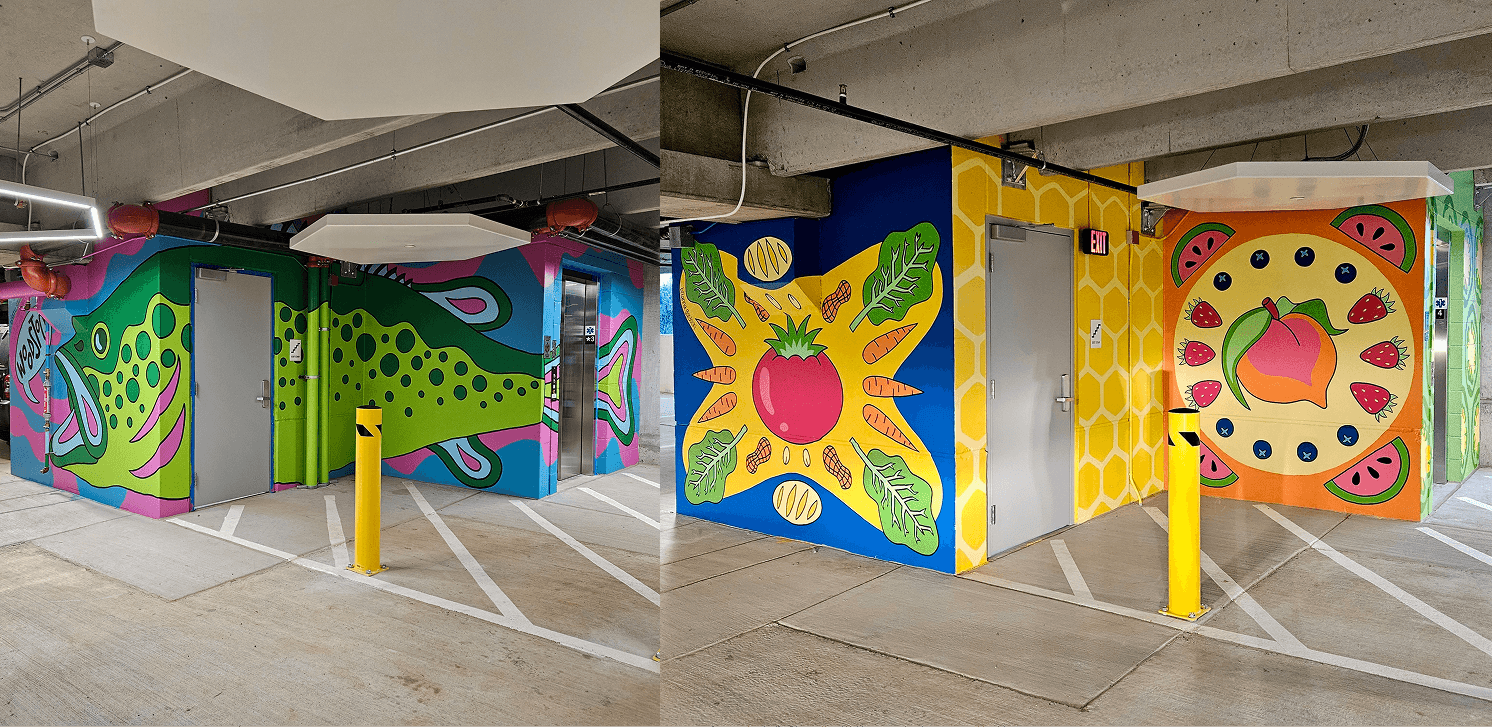
From Traditional to Digital: Technology and Innovation in Public Art
While the essence of mural creation remains deeply rooted in painting, new tools are reshaping how we experience public art. Thanks to the fusion of technology and creativity, murals are no longer just static images.
Artists are now experimenting with:
- Augmented reality (AR) murals that come to life through apps
- Interactive projections on walls and buildings
- Light-sensitive or solar-powered installations
This evolution continues to prove that public art is dynamic, forward-thinking, and constantly engaging new audiences in surprising ways. Whether through Instagrammable visuals or immersive digital overlays, art continues to evolve while maintaining its human-centered roots.

The Economic Benefits of Investing in Public Art
A Return on Creativity
It’s not just artists who benefit from vibrant city walls, so do local businesses, entrepreneurs, and tourism sectors. Investing in public art can:
- Boost local economies
- Drive up property values
- Increase foot traffic
- Improve neighborhood safety and perception
Murals placed near storefronts, cafes, or markets often turn forgotten spaces into buzzing hubs of activity. For many, they become destinations in and of themselves used in advertising, social media campaigns, and city branding efforts.
As more cities embrace the value of public art, murals also become central to urban development plans. They’re not an afterthought, they’re a smart, effective initiative with long-term economic impact.
Starting a Mural Project in Your City or Business
Tips for Launching Your Own Urban Art Initiative
Interested in bringing public art to your own neighborhood, city, or storefront? Here are a few key steps to start a successful mural project:
- Connect with local artists – Work with professionals who understand both the art and the community.
- Engage community members – Their stories and input can shape the theme and design.
- Partner with city initiatives – Check for grants or partnerships through arts councils or nonprofits.
- Consider the location and size – Find high-visibility walls in safe and accessible areas.
- Secure permissions and funding – Coordinate with property owners and apply for public art funding.
- Think long-term – Use weather-resistant materials and plan for upkeep.
Whether it’s a canvas outside a school, on a restaurant wall, or in an alleyway that needs a little love, murals are more than decoration, they’re declarations of pride and identity.
Conclusion: Public Art as a Tool for Change
Street art and murals are no longer fringe movements they are central to how we shape, reclaim, and reimagine urban landscapes. Through them, walls become public spaces for healing, protest, history, humor, and unity. What was once seen as vandalism is now acknowledged as a respected art form with the power to revitalize, foster, and transform.
In a world that’s constantly moving, murals slow us down. They invite us to look closer, feel deeper, and connect more honestly with our environment and one another. They make art accessible to everyone, breaking down the barriers of class, race, and education. And in doing so, they remind us that cities aren’t just built of concrete they’re built of people, stories, and artistic expression.
Whether you’re an artist, resident, or dreamer, now is the time to help artists, play a crucial role, and continue revitalizing urban life, one mural at a time.