Greece Travel Tips to Help You Plan For Your Trip

A trip to Greece is a dream for many travelers. From world-class ancient sites like the Acropolis in Athens to the dazzling Greek islands of Santorini, Crete, and Mykonos, Greece offers a mix of history, culture, food, and beaches that make it one of the most famous places in Europe. With so much to see, the key is knowing how to plan your trip wisely so you can enjoy a memorable trip without unnecessary stress.
This Greece guide brings together the most important advice, essential Greece travel tips, and practical suggestions to help you plan your journey. Whether you’re going to Greece for the first time or returning to explore many islands, these tips will ensure a smooth and wonderful time.
Athens – The Gateway to Greece
Most international flights and ferries pass via Athens, making it the natural starting point for a trip to Greece. The capital city offers more than just a hub for connections—it’s a part of Greece with important historical sites that every traveler should explore.
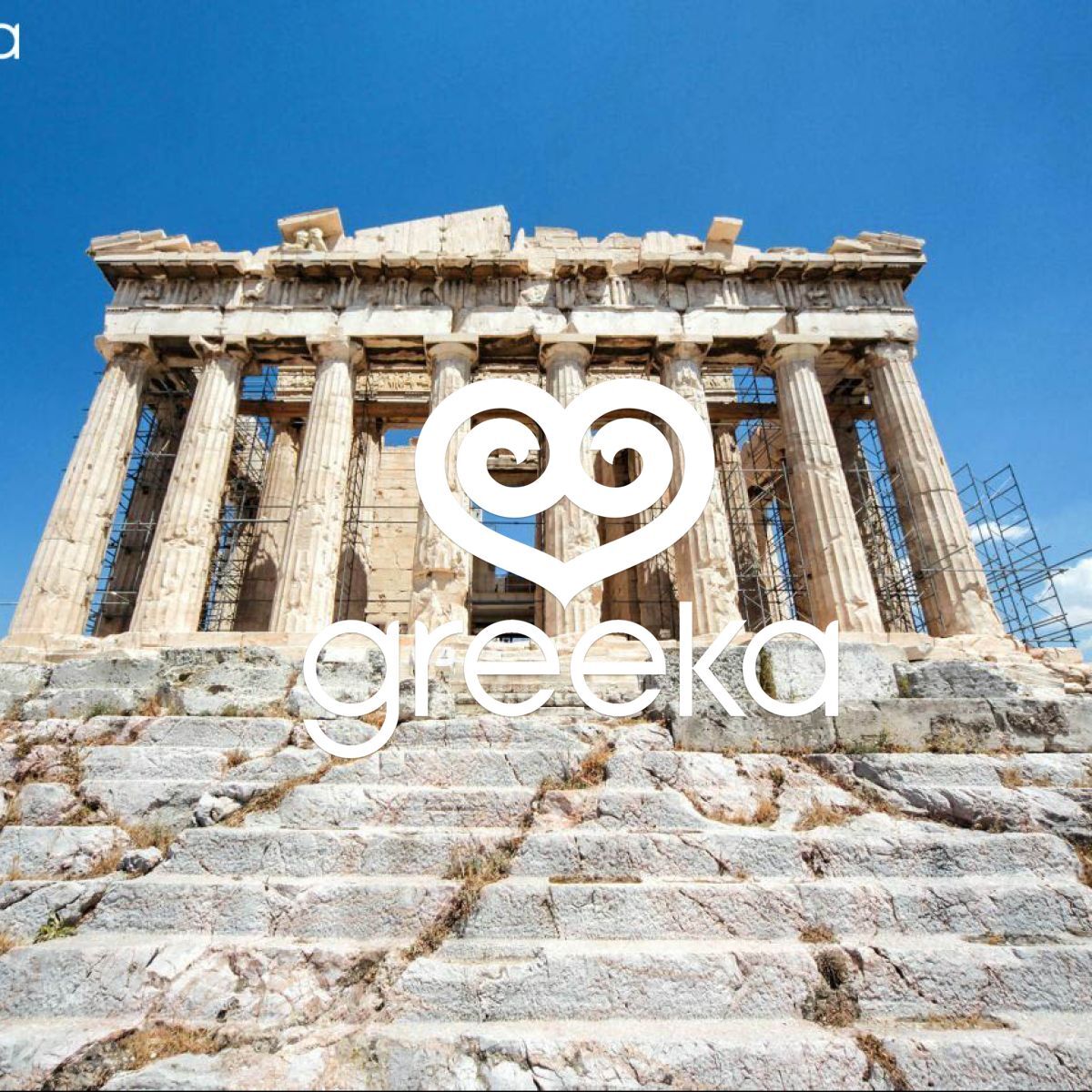
- Visit the Acropolis, one of the most essential Greece highlights.
- Spend at least a couple of days in Athens to explore the museums, markets, and nightlife.
- From the Athens airport, it’s easy to connect to ferry ports like Piraeus to reach the Greek islands.
Many visitors to Greece underestimate how much there is to see in Greece’s capital, but with an itinerary that includes Athens, you’ll appreciate both its Greek culture and modern energy.
Learn a Few Basic Greek Phrases
While many people speak English, especially in tourist areas, learning basic Greek phrases shows respect and enriches your experience. Even a simple greeting like “kalimera” (good morning) can go a long way.
- “Efharisto” means thank you.
- “Parakalo” means please.
- Asking for taxi or point the way becomes easier when you can learn a few basic phrases.
Making the effort to use Greek phrases reflects your appreciation of Greek culture and will often be met with smiles from locals.

Greece Travel Tips: Flights and Ferries
Getting to and around Greece usually involves a mix of flight connections and ferry tickets.
- International travelers often arrive at Athens airport, though direct flights to Thessaloniki, Santorini, and Crete are increasing.
- The ferry system is well-developed, connecting both large and smaller islands. Booking early for summer routes is recommended.
- For good travel deals, consider traveling in the shoulder season (spring or fall).
Many travelers wonder whether to fly or take a ferry between islands. The way to see Greece depends on your travel style—flights and ferries both have pros and cons. Flying saves time, while ferries let you enjoy the sea views and can be cheaper if you plan to spend more than a week.
Tourist Tips for Athens and Beyond
As a tourist in Greece, you’ll find it easy to get around in major cities and on the mainland. However, there are some practical travel tips worth knowing:
- Always carry some cash in euro, as not all shops in tourist spots will accept credit cards.
- You can use credit cards for most hotels and restaurants, especially in tourist spots, but small tavernas may be cash-only.
- Taxi drivers in Greece are generally reliable, though it’s common to round up the fare.
In busy places like Athens or Santorini, keep an eye on your belongings. While Greece is very safe, pickpocketing can occur in tourist areas.

Visit Greece: When to Go and How Long to Stay
The best time of the year to visit Greece depends on your goals.
- The summer months of July and August are warm but can be crowded.
- The shoulder season in May–June or September–October offers pleasant weather, fewer crowds, and lower hotel rates.
- During Golden Week holidays or due to COVID, some schedules may change, so always double-check availability.
You should plan to spend at least a week in Greece to truly enjoy a mix of mainland and island experiences. Many guides recommend you spend at least 2–3 days in Athens before heading to the islands.

Pack the Right Essentials
To have a great trip, don’t forget to pack the right items for your trip to Greece.
- Lightweight clothes for the summer months, but a jacket for evenings.
- Comfortable shoes for walking through ruins and ancient sites.
- A reusable bottle—tap water is generally safe to drink on the mainland, but on some islands you should drink bottled water.
- Sunscreen and a hat for long days at the beach or exploring famous places.
These simple tips to help you prepare can make the difference between a stressful and smooth journey.
Booking Hotels and Accommodation
Finding the right hotel or guesthouse can shape your entire experience. Booking in advance is key, especially during greece in the summer when tourist demand is at its peak.
- Hotel prices rise in Santorini and Mykonos during July and August.
- On smaller islands like Milos or Corfu, early booking ensures better rates.
- On the mainland, Athens, Thessaloniki, and Rhodes offer a wide range of hotel options for every budget.
For a good travel experience, research neighborhoods in advance. In Athens, staying near Syntagma or Plaka makes it easier to sightsee and access public transport.

Greece Travel Tips to Help You Plan Your Trip to Greece, Flight & More
Exploring a Greek Island Experience
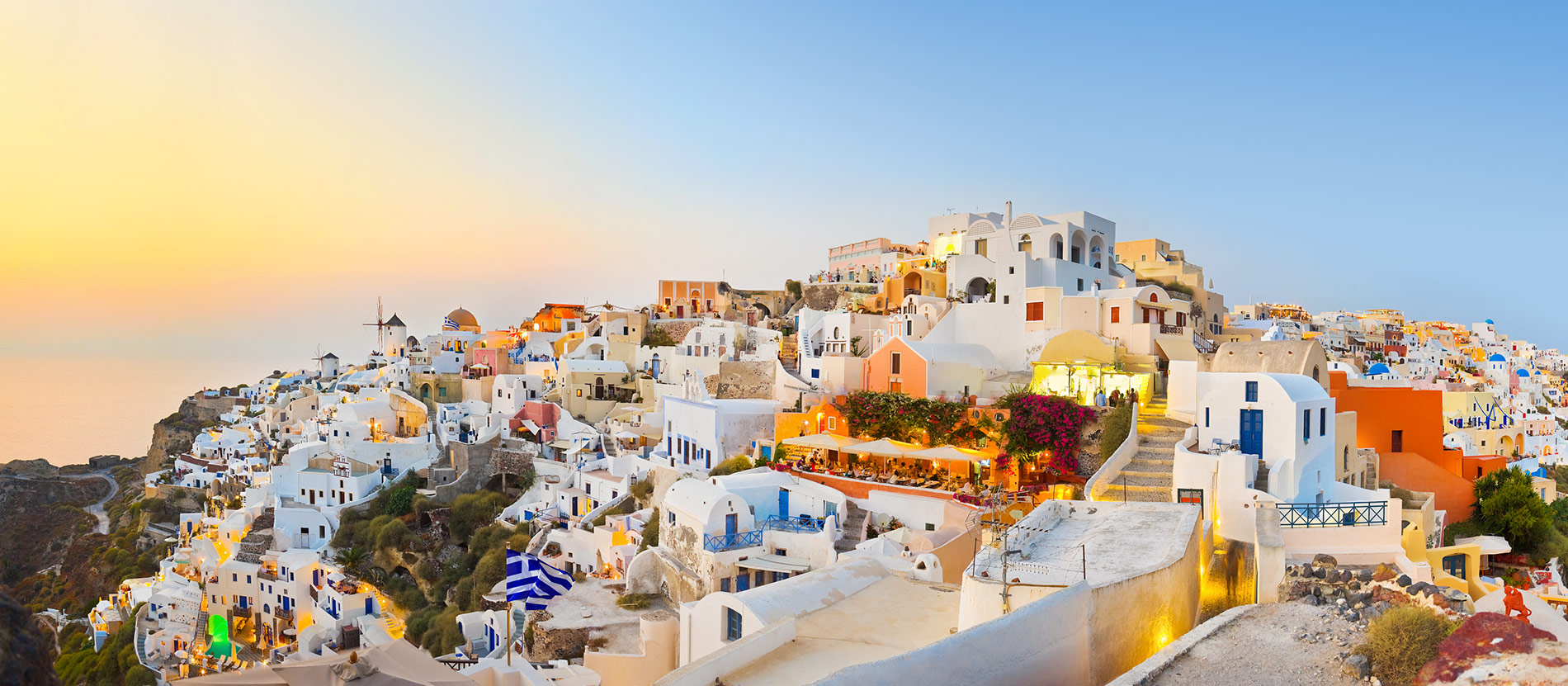
No trip to Greece is complete without time on at least one Greek island. Each island has its own unique charm—whether you are drawn to the luxury and nightlife of Mykonos, the volcanic beauty of Santorini, or the quiet beaches of Milos. A lot of the islands are connected by convenient flights and ferries, making it relatively easy to island-hop if your travel style allows.
Many travelers choose to begin via Athens, then head out to the Cyclades, Dodecanese, or Ionian islands. No matter your choice, you’ll find stunning beaches, welcoming Greeks, and charming towns with cobblestone streets.
- Santorini: Famous for its whitewashed houses and dramatic sunsets.
- Rhodes: Known for medieval architecture and vibrant local markets.
- Corfu: A lush island with Venetian history and coastal beauty.
- Crete: The largest island, rich in Greek cuisine, ancient ruins, and rugged mountains.
Visiting even one Greek island provides the kind of memories that make a great trip unforgettable.
Credit Cards and Money Matters
When planning a trip to Greece, it’s important to know how to handle money. Cash is still widely used, especially on a smaller island or in rural places in Greece. However, credit cards are accepted in most restaurants, shops, and hotels—especially in tourist spots.
Travelers are encouraged to carry a mix of euros and cards. The official currency is the euro, and it’s always best to keep some small notes and coins for taxis, ferries, and small cafes. Some businesses still prefer cash, and occasionally you may find that machines are down in busier areas. Always keep a small reserve for emergencies.
For security, notify your bank before you visit Greece, and use cards with no foreign transaction fees. Many Greeks are friendly and helpful if you encounter an issue with payments.
Good Travel Habits for Greece
Practicing good travel habits in Greece helps you not only enjoy your trip but also respect the local culture. This starts with knowing a few Greek phrases like “kalimera” (good morning), which will always earn a smile from locals. Many people speak English, but showing effort builds connections.
Other good travel tips include:
- Dress modestly when entering monasteries or important historical sites.
- Be mindful when photographing Greeks or local traditions—always ask first.
- Support local businesses and try Greek food at family-owned tavernas.
- Remember to pack the right clothing depending on the time of the year.
A mindful approach ensures you leave with not only beautiful photos but also meaningful interactions.

Why You Should Rent a Car in Greece
For those with a flexible travel style, deciding to rent a car is one of the best ways of traveling around the mainland or a Greek island. Public transport can be limiting on smaller islands, and taxis aren’t always available. A car rental allows you to reach hidden beaches, mountain villages, and archaeological sites at your own pace.
In Crete, for example, many ancient sites and natural wonders are spread out, making a rental car the most practical option. Similarly, in Corfu or Rhodes, a rental car helps you explore beyond the popular tourist areas.
When booking, compare prices online, and remember that Greeks drive on the right-hand side. International driver’s permits may be required, so check in advance. Parking in busy places like Athens can be difficult, but outside the city, driving is often stress-free and rewarding.
Travel Insurance: A Must for Greece
Another essential consideration is travel insurance. While Greece is generally safe and welcoming, unexpected issues can arise, from delayed flights to medical emergencies. Having travel insurance provides peace of mind, ensuring you’re covered for healthcare, cancellations, or lost luggage.
Lonely Planet and other reputable guides often highlight this as a key step when preparing your itinerary. With affordable options available, adding this layer of protection can transform a good trip into a memorable trip, even if plans change.
Using the Euro and Handling Money
As mentioned earlier, the euro is the official currency. When you plan your trip, factor in the costs of accommodation, ferry tickets, and everyday spending. Dining out in Greece can be surprisingly affordable, especially if you enjoy good food at local tavernas. Traditional Greek cuisine—from souvlaki to moussaka—is both delicious and budget-friendly.
Always check if tap water is safe to drink in the area you’re visiting. On many Greek islands, it’s safer to drink bottled water, though in Athens and much of the mainland, water is safe. Asking locals will help you make the right choice.
Navigating Busy Places in Greece
While Greece has many serene spots, busy places like Athens, Santorini, and Mykonos can feel overwhelming during the summer months—especially July and August. To avoid crowds, consider traveling in the shoulder season, such as May, June, September, or October.
In Athens, tourist areas like Plaka and the Acropolis are often packed, but with an early start, you can enjoy them with fewer visitors. On lot of the islands, the same rule applies: head out in the morning or later in the evening.
If you’re traveling alone, these places can still feel safe, as Greece is very safe compared to many destinations. However, always keep an eye on your belongings, especially in busy squares or while riding a taxi.

Greek Cuisine and Good Food Experiences
No trip to Greece is complete without sampling the local Greek cuisine. Meals are meant to be savored, with fresh ingredients and recipes passed down through generations. Many Greeks take pride in offering visitors good food, whether you’re dining by the sea or in a mountain village.
Don’t miss:
- Fresh seafood on a Greek island.
- Olives, feta, and traditional salads.
- Souvlaki and gyros in busy places like Athens.
- Homemade baklava for dessert.
Food is central to Greek culture, and sharing a meal is one of the best ways to experience hospitality.
Respect the Local Culture
While visitors may come for beaches and ancient ruins, understanding and appreciating Greek culture makes your trip richer. Always respect the local culture by learning how to greet properly, dressing appropriately in religious sites, and acknowledging traditions.
If you’re traveling alone, engaging with locals can make your journey more enjoyable. Most Greeks are warm and happy to share stories or give directions—sometimes even when you only say “kalimera.”

Final Thoughts
From ancient Athens to quiet corners of lot of the islands, Greece offers much to see for every type of traveler. Whether your travel style leans toward cultural exploration, relaxation on a beach, or indulging in Greek food, this country is truly worth visiting.
- Rent a car to explore hidden gems.
- Get travel insurance for peace of mind.
- Use credit cards wisely, but always carry some euros.
- Learn a few Greek phrases like “kalimera.”
- Take the time to enjoy Greek cuisine and good food with locals.
By blending practical planning with cultural awareness, you can create a wonderful time and a truly memorable trip. For more planning inspiration, check out guides like Lonely Planet, which provide detailed insights on where to go, what to eat, and how to travel smoothly.


