Visit Lighthouses of the United States

Your USA Guide
Across the country, lighthouses in the United States stand as some of the most recognizable and beloved landmarks along coastlines, bays, and islands. These structures were originally built as a navigational aid for sailors and each mariner navigating dangerous waters, but today they also serve as historic attractions filled with stories.
From the oldest lighthouse to some of the tallest lighthouses in the United, these structures represent centuries of maritime history. Many of these lighthouses of the United States are still in operation today, continuing their role as guiding lights along major waterways.
If you’re looking to explore iconic lighthouse destinations, this guide introduces some of the most beautiful lighthouses across the U.S., complete with history, location insights, and travel tips.
Sandy Hook Lighthouse
Oldest Lighthouse and Built in the United States
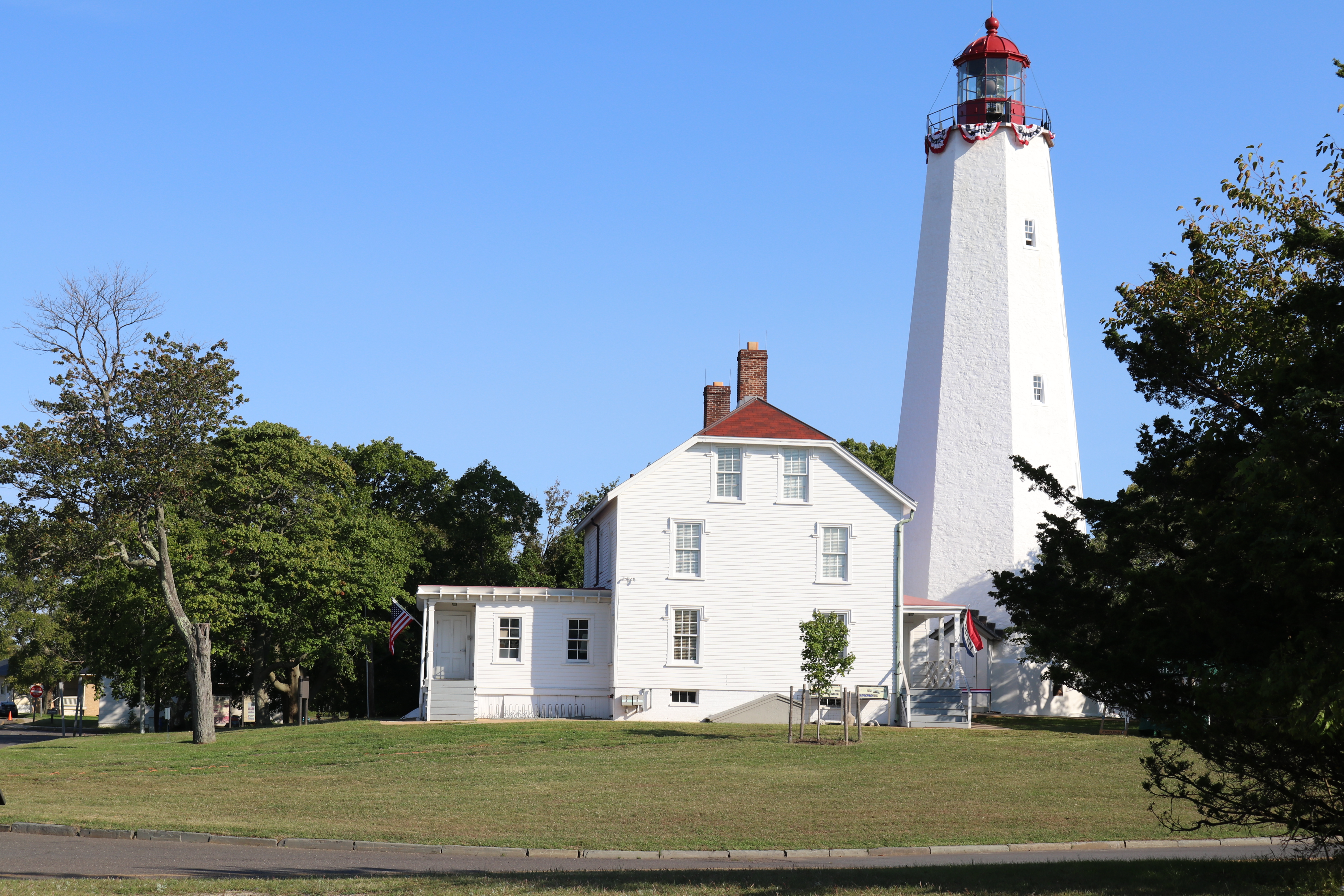
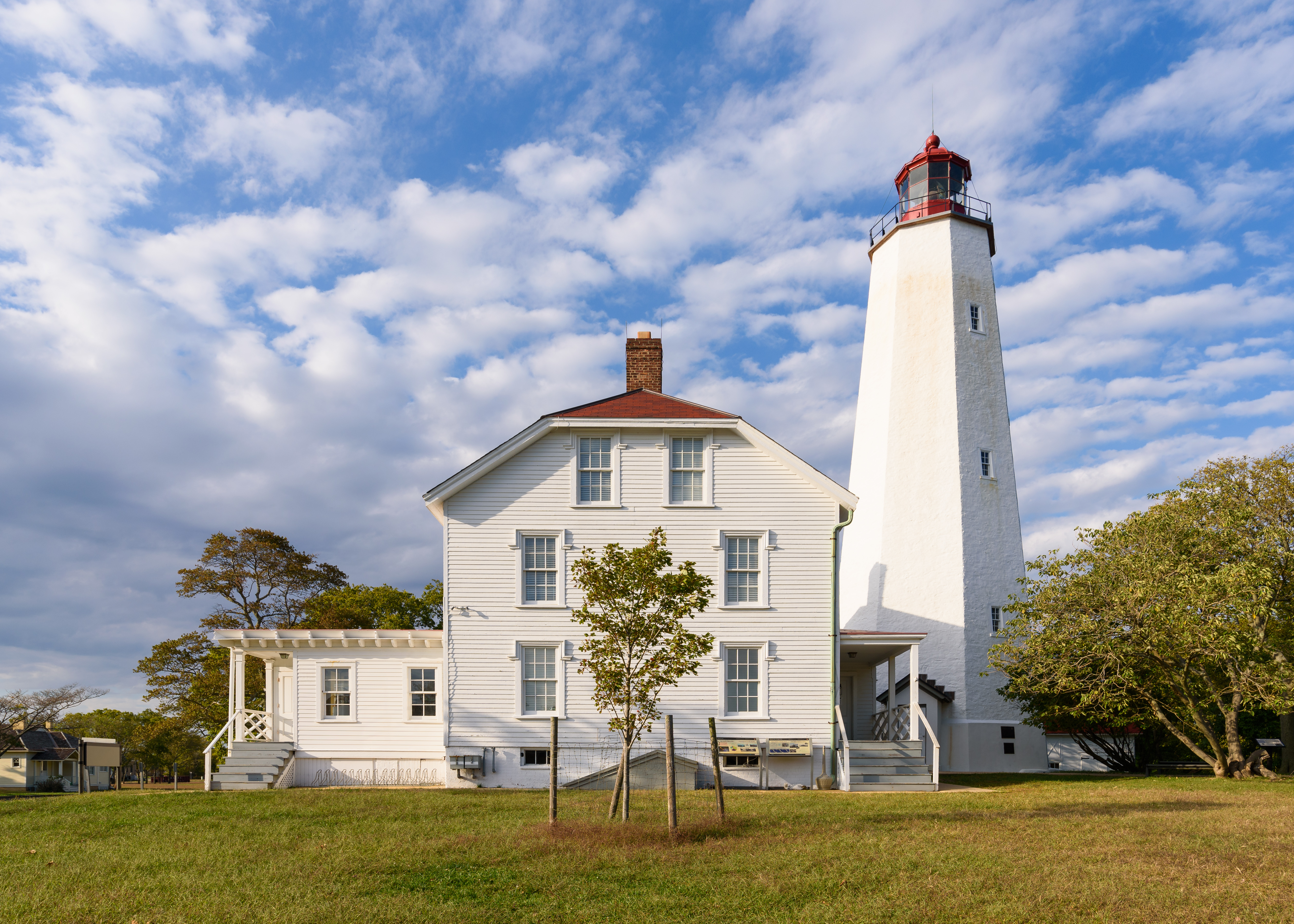
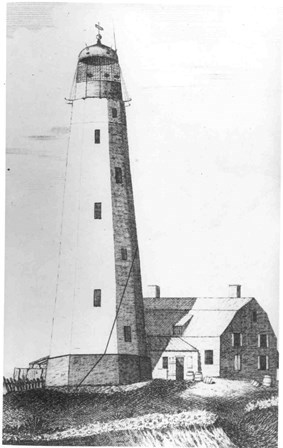
The Sandy Hook Lighthouse is widely recognized as the oldest lighthouse in continuous operation in the U.S. It was originally constructed in 1764 and has remained a working lighthouse in the U.S ever since.
This historic lighthouse even survived military conflict–the tower was targeted by the British in 1776 but avoided destruction. It continued to serve as a reliable beacon for ships entering New York Harbor.
Interesting facts:
- It is the first lighthouse commissioned in the United States
- The lighthouse has a distinctive tall tower design
- It is still in operation today
The site is part of the National Park Service and sits within a scenic recreation area, making it an ideal stop for both history lovers and casual visitors.
Learn more from the National Park Service:
https://www.nps.gov/gate/learn/historyculture/sandy-hook-lighthouse.htm
Boston Light
Boston Light and Light Stations History
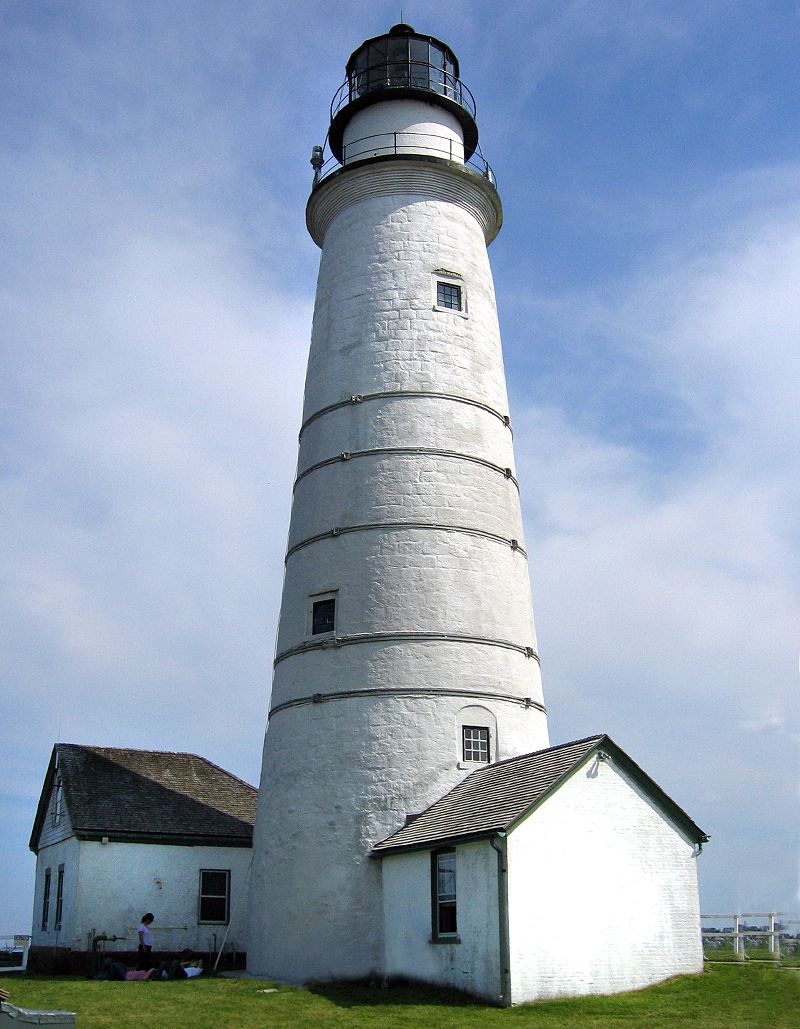


Boston Light is another iconic island lighthouse and one of the most significant light stations in American history. Located in Casco Bay’s neighboring harbor region, this lighthouse was first lit in 1716, making it the first lighthouse in the country.
Although it was destroyed during the Revolutionary War, it was rebuilt in 1783 and continues to operate today. It is also the only lighthouse in the United States that still has an official lighthouse keeper assigned by the Coast Guard.
Highlights:
- Designated a National Historic Landmark
- Maintains a staffed keeper’s house
- Represents the enduring lighthouse service tradition
Boston Light is a powerful example of how early light stations shaped maritime navigation.
Official site:
https://www.bostonharborislands.org/lighthouse-tours/
Cape Hatteras Lighthouse
Cape Hatteras Lighthouse and Tallest Lighthouse
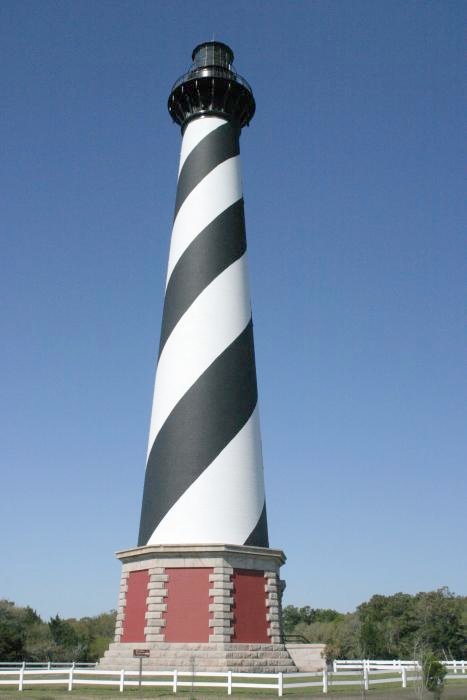
The Cape Hatteras Lighthouse is the tallest lighthouse in the United States and one of the most famous lighthouses along the Atlantic coast. Standing at 210 feet, it is easily one of the tallest lighthouses in the United States.
Located in the Outer Banks, an area often called the graveyard of the Atlantic, this point light has guided countless ships through treacherous waters.
Key details:
- Originally built in 1803, rebuilt in 1870
- Known for its iconic black-and-white spiral pattern
- Offers visitors stunning views after climbing the steps to the top
The lighthouse plays a crucial role as a navigational structure in one of the most dangerous shipping zones in U.S. history.
National Park Service resource:
https://www.nps.gov/caha/index.htm
Pigeon Point Lighthouse
Pigeon Point Lighthouse and Pacific Coast Light Stations
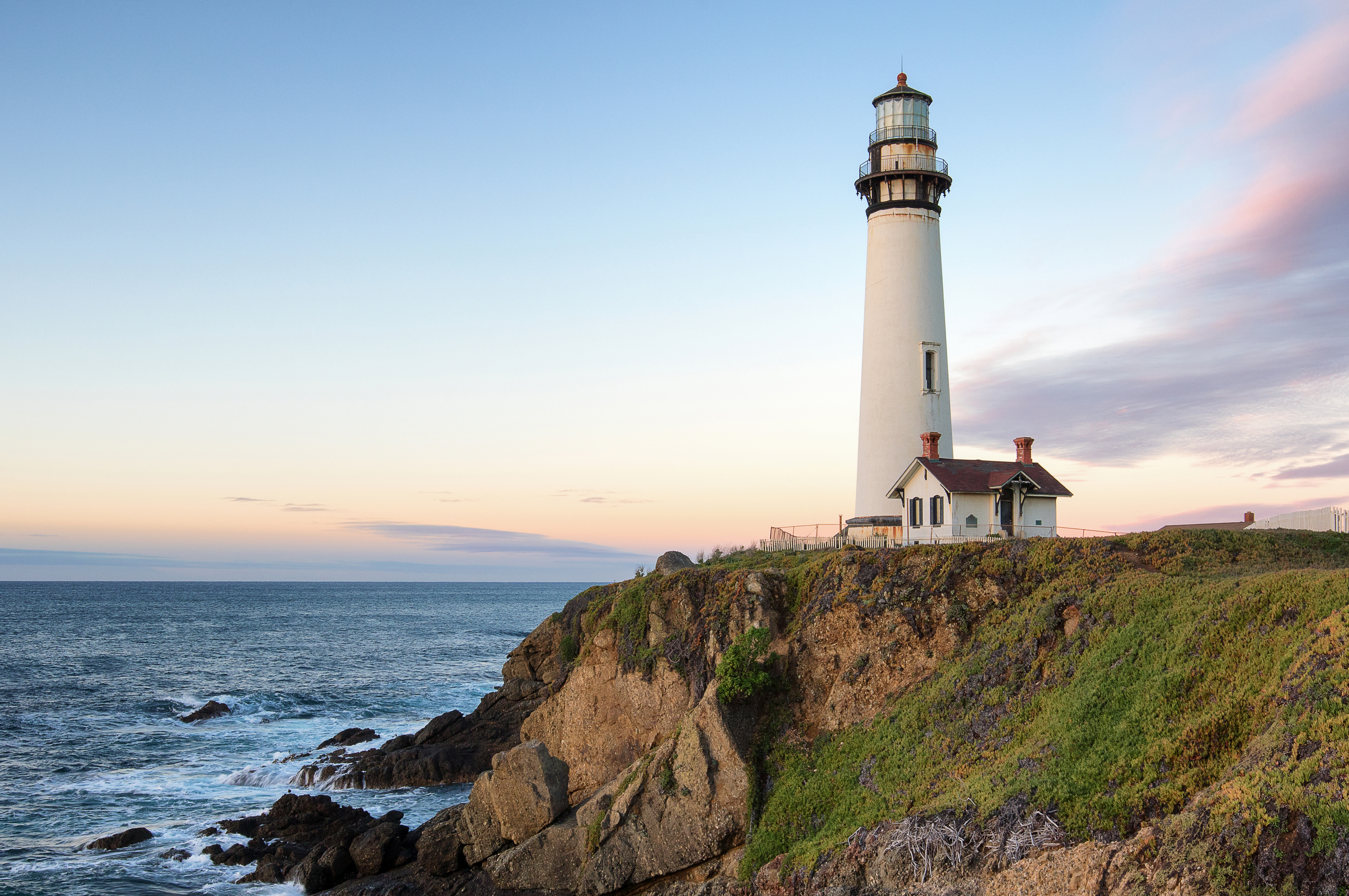


The Pigeon Point Lighthouse is one of the tallest and most photographed rock lighthouse structures on the West Coast. Built in 1872, this towering lighthouse sits atop dramatic cliffs overlooking the Pacific Ocean.
This historic lighthouse was named after a shipwreck and has long served as a guiding beacon for vessels navigating California’s rugged coastline.
Why visit:
- One of the beautiful lighthouses along the Pacific
- Located near scenic coastal headlands
- Offers incredible ocean views and photography opportunities
Although currently undergoing a restoration project, the surrounding grounds remain open and accessible.
Official California Parks info:
https://www.parks.ca.gov
Gay Head Lighthouse
Gay Head Lighthouse and Aquinnah Cliffs


Located in Aquinnah on Martha’s Vineyard, the Gay Head Lighthouse is instantly recognizable for its distinctive red tower and dramatic cliffside setting.
This lighthouse was originally constructed in 1799 and later moved inland to prevent erosion. It has since been designated a National Historic Landmark due to its importance in maritime navigation.
Highlights include:
- Sweeping coastal panoramic views
- A historic lightkeeper tradition
- A unique vantage point over shifting cliffs
This site is a perfect example of how lighthouse preservation protects both history and geography.
Cape Henry Lighthouse
Cape Henry Lighthouse and Chesapeake Bay
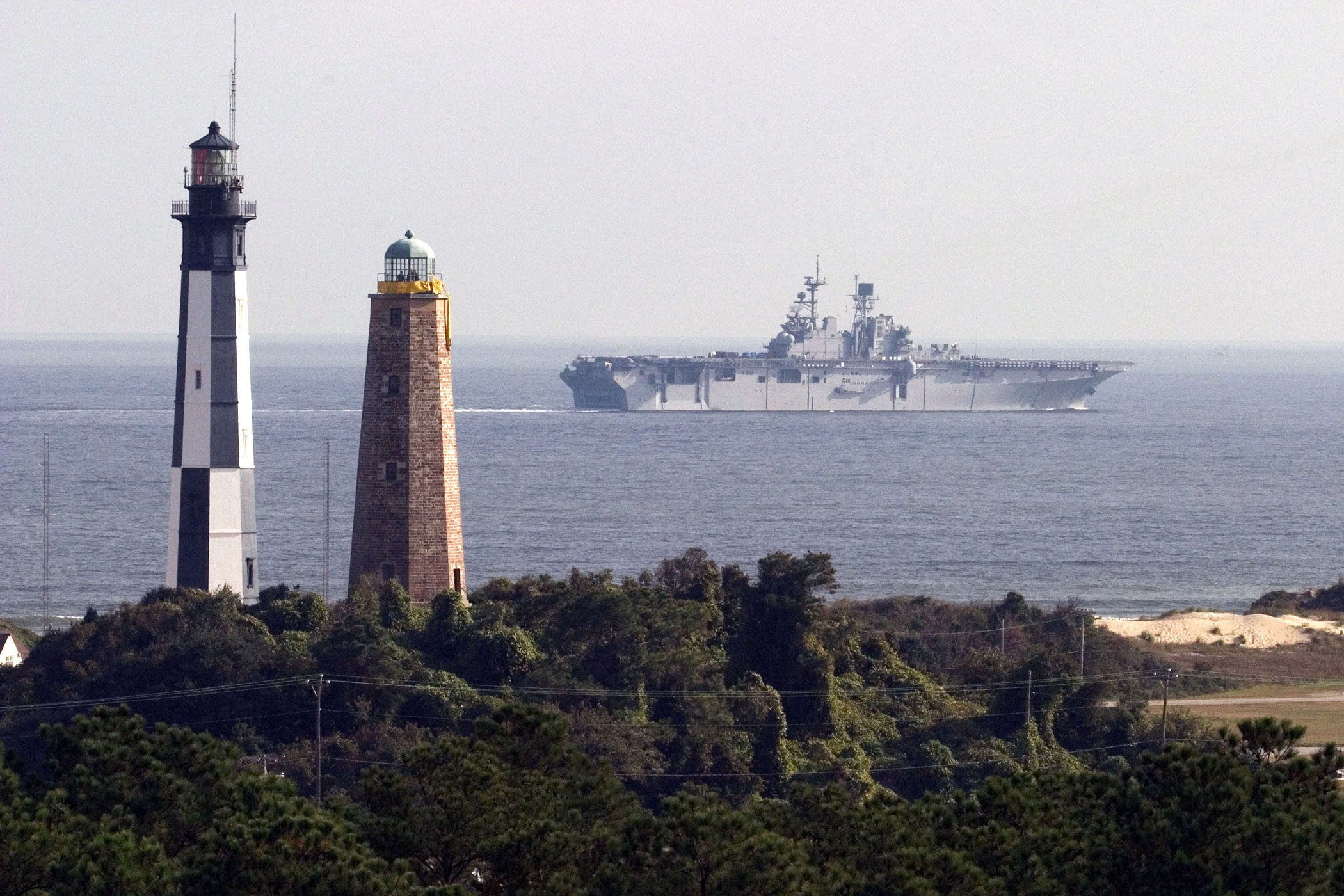
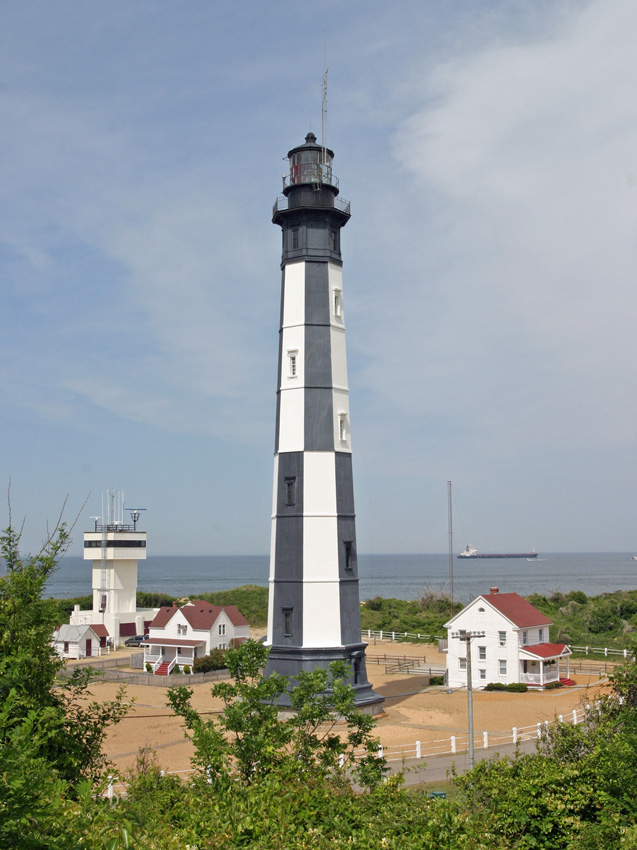

The Cape Henry Lighthouse marks the southern entrance to the Chesapeake Bay and is one of the earliest federal lighthouse projects. Completed in 1792, it was authorized by George Washington.
This bay lighthouse stands as a vital navigational aid for ships entering one of the busiest waterways in the country.
Key features:
- Historic stone construction
- Strategic location at the bay entrance
- Opportunity to climb and enjoy stunning views
The area includes a second lighthouse built later, showing the evolution of lighthouse service technology.
Ponce de Leon Inlet Light Station
Ponce de Leon Inlet Light and De Leon Inlet Light Station

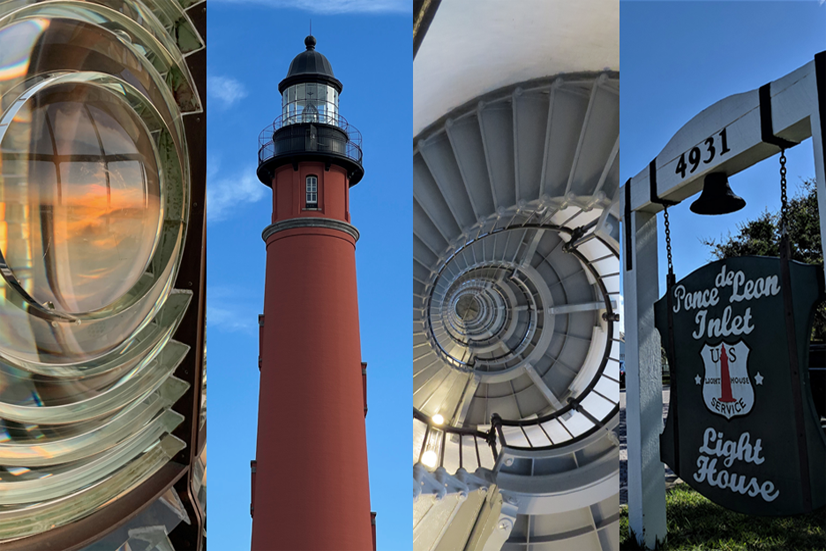

The Ponce de Leon Inlet Light is one of the most impressive light stations in Florida and stands as one of the tallest brick lighthouse structures in the country. The De Leon Inlet Light Station was first lit in 1887 and remains one of the best-preserved historic sites.
This lighthouse is part of a larger museum complex, offering a glimpse into the life of a lighthouse keeper and the evolution of maritime navigation.
Why it stands out:
- One of the tallest lighthouses in Florida
- Includes restored buildings and exhibits
- A well-preserved example of a working lighthouse service site
Visitors can climb the tower for incredible stunning views and learn about how each lighthouse keeper maintained the beacon for passing ships.
Official site:
https://www.ponceinlet.org
Bodie Island Light Station
Bodie Island Light Station and Outer Banks Lighthouse

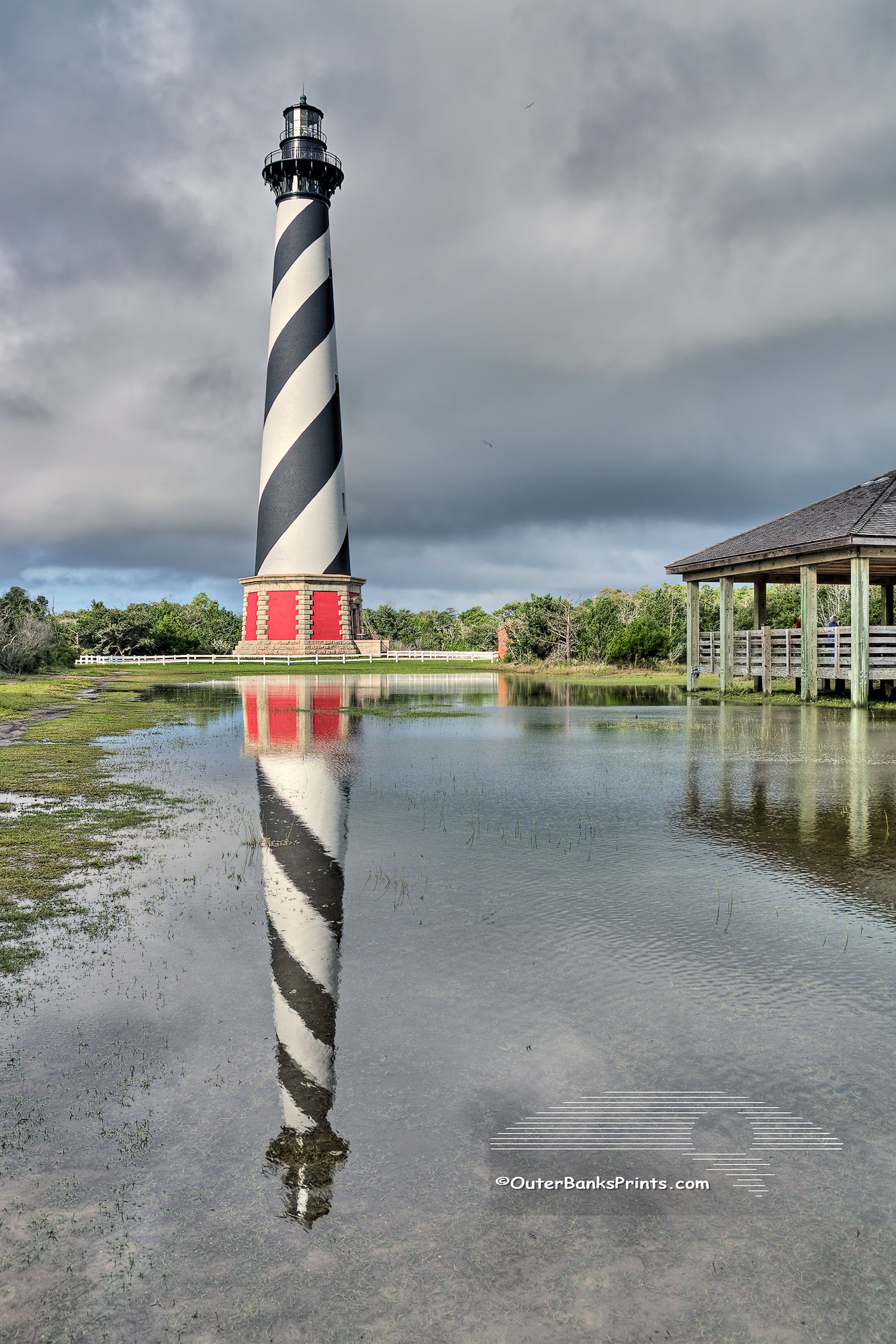
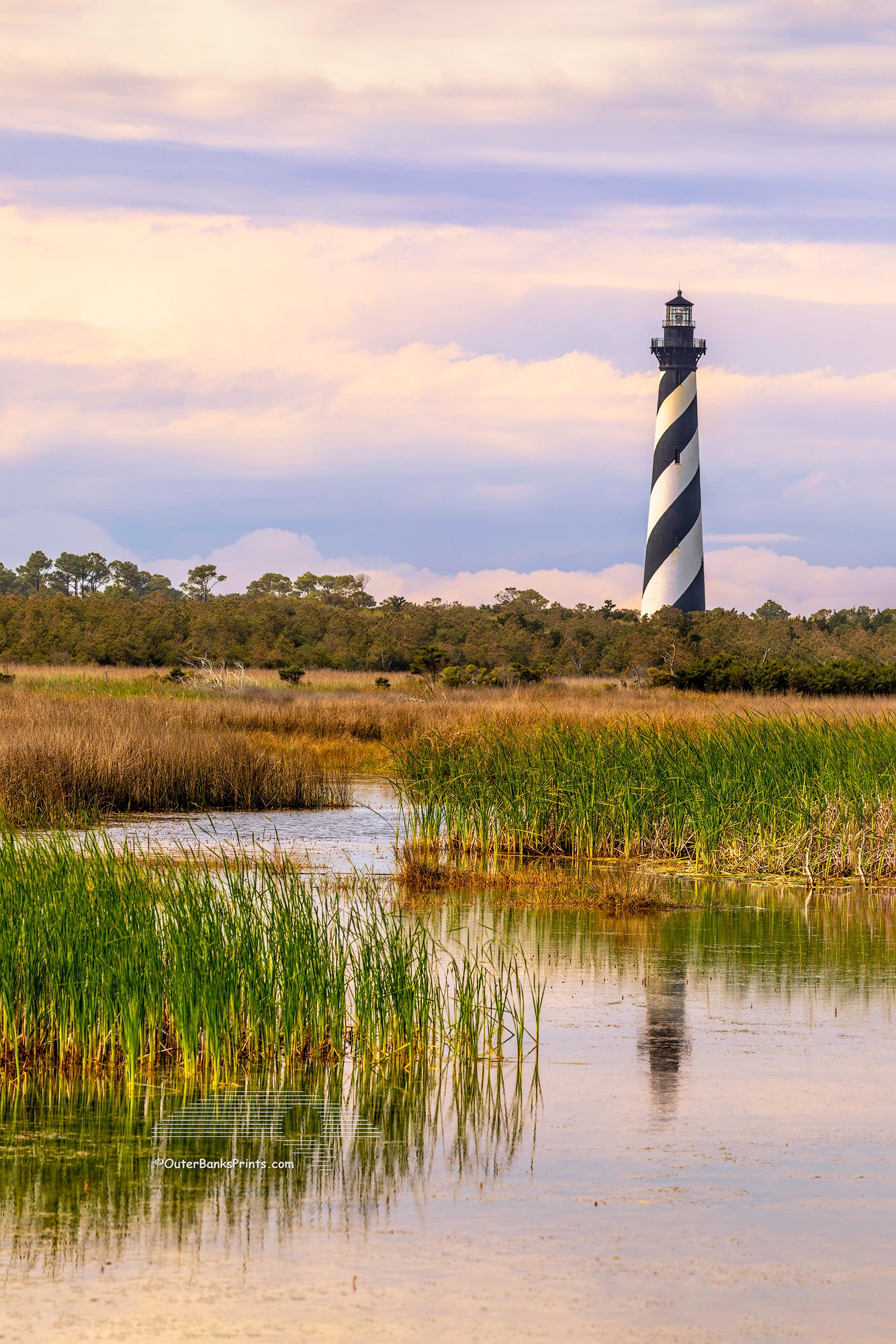
The Bodie Island Light Station is another iconic lighthouse located in the Outer Banks, a region famous for shipwrecks and maritime history. This lighthouse was first lit in 1872 and remains a popular destination today.
The surrounding area is part of a protected landscape where visitors can experience how these light stations once functioned as essential navigational systems.
Key features:
- Black-and-white striped design similar to Cape Hatteras
- Scenic wetlands and wildlife nearby
- One of the most photographed lighthouses in the united states
This location helps illustrate why the Outer Banks became known as the graveyard of the Atlantic, where strong currents made lighthouse guidance essential.
Point Reyes Lighthouse
Point Reyes and Pacific Headlands Lighthouse
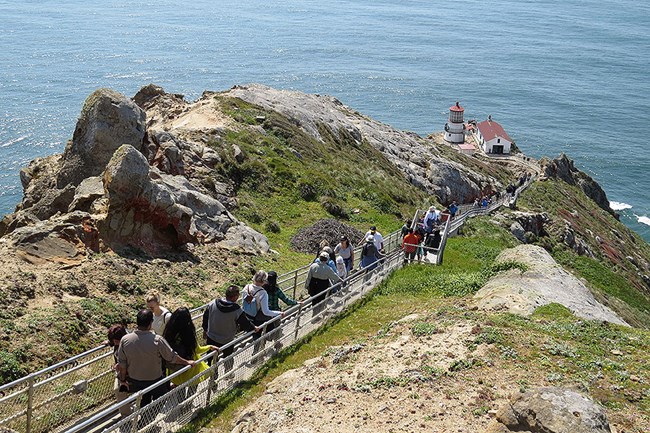

Located on dramatic coastal headlands, the Point Reyes lighthouse offers one of the most rugged and scenic experiences in California. Built in 1870, this lighthouse was designed to guide ships through fog-heavy conditions.
Reaching the structure requires descending hundreds of steps, but the reward is unmatched stunning views of the Pacific Ocean.
Highlights:
- A remote and dramatic setting
- Frequent fog that showcases the importance of a beacon
- A historic example of a working lighthouse
This lighthouse demonstrates how geography influenced the placement of light stations along the coast.
Cape Florida Lighthouse
Cape Florida and Island Light Station at Key Biscayne
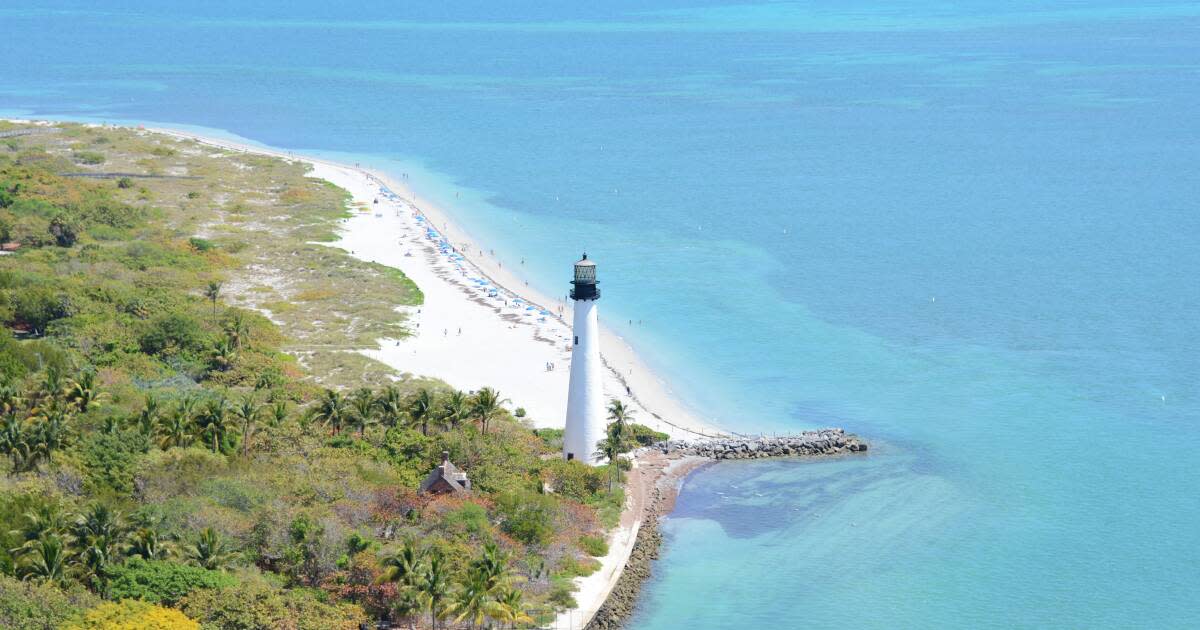
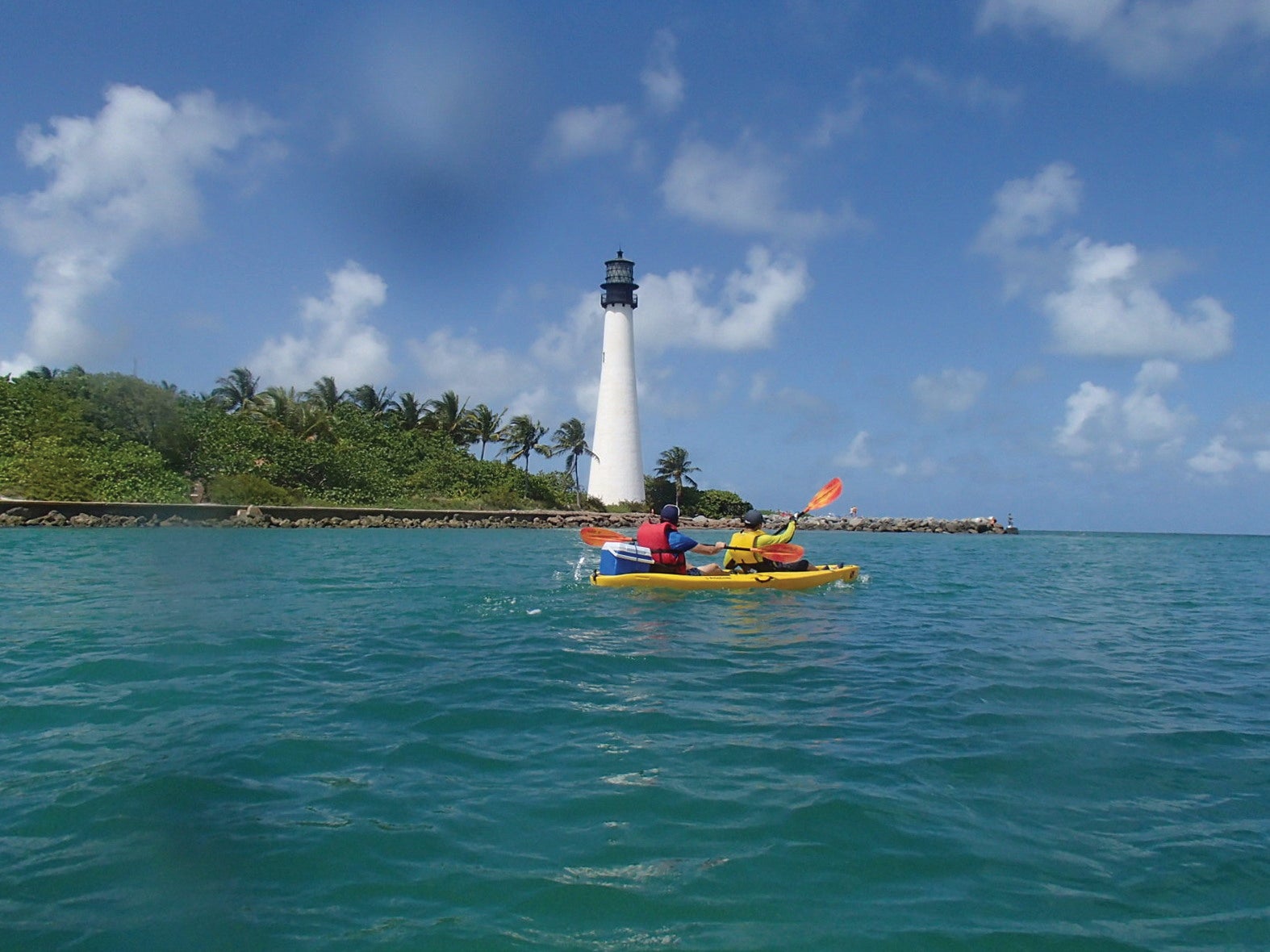
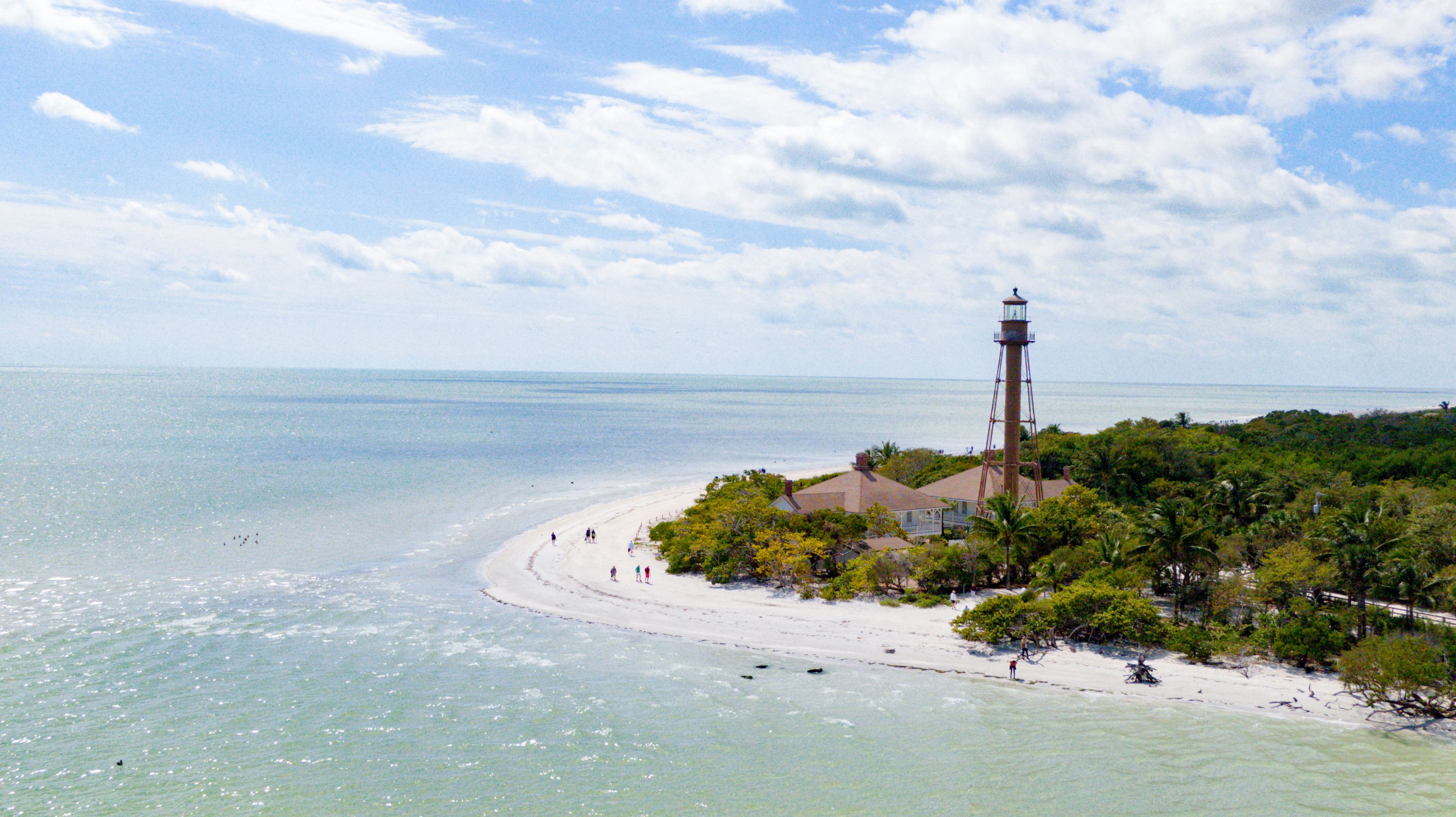
The Cape Florida lighthouse, located in Bill Baggs Cape Florida State Park on Key Biscayne, is one of the oldest surviving structures in South Florida. Originally constructed in 1825, this island lighthouse has played a vital role in guiding ships along the coast.
The site combines history with recreation, making it one of the most accessible lighthouses in the United States.
Why visit:
- Located near beautiful beaches
- Ideal for families and outdoor exploration
- A classic example of an early island light station
This lighthouse also reflects the resilience of early coastal structures built to withstand harsh conditions.
New London Harbor Lighthouse
New London and Lake Superior Lighthouse History


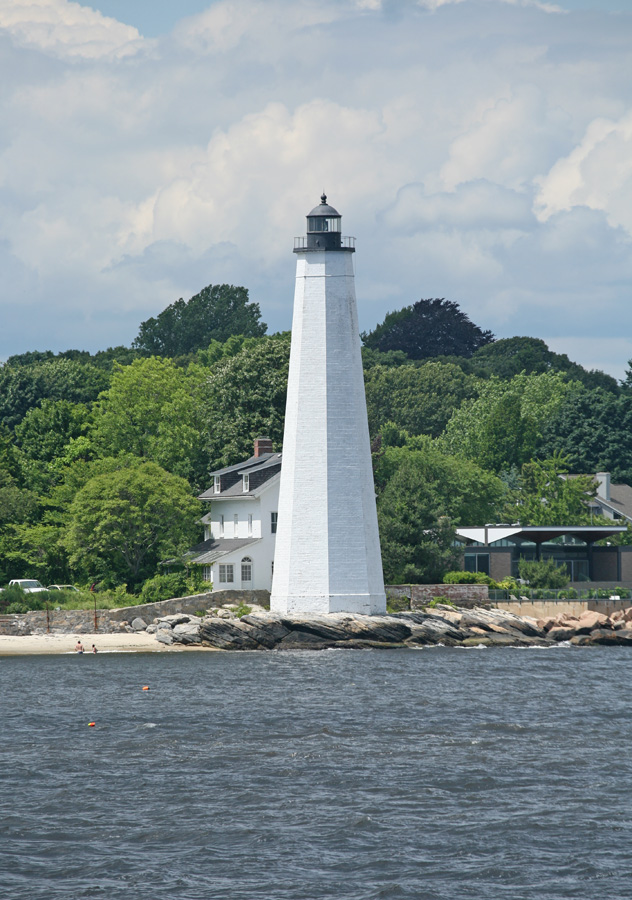
The New London Harbor Lighthouse is one of the many historic lighthouses along the northeastern coast. This lighthouse represents a long-standing maritime tradition that extends beyond coastal regions to places like Lake Superior, where lighthouse systems also guided ships.
This lighthouse is listed on the National Register and reflects the long-term importance of these structures in protecting maritime trade routes.
Interesting notes:
- Part of a network of historic light stations
- Demonstrates early engineering in maritime navigation
- Continues to be recognized for its historical significance
Lighthouses To Visit in the United States
The lighthouses of the United States represent a vast and diverse network of maritime history. With more than 100 lighthouses of the united states documented in preservation programs, these structures continue to serve as both functional aids and historic attractions.
From the shortest lighthouse to the tallest lighthouse, each structure tells a story of survival, engineering, and dedication.
Many of these lighthouses in the United States are now protected through lighthouse preservation efforts and listed among historic places.
Beacon, Statue of Liberty, and Navigational Importance
The concept of a beacon extends beyond traditional lighthouses. Even landmarks like the Statue of Liberty served as symbolic guiding lights for ships entering New York Harbor.
These structures, whether a shoal lighthouse or a coastal tower, played a critical role in helping ships navigate dangerous bodies of water.
Final Thoughts: Exploring Lighthouses Along the U.S. Coast
From Sandy Hook Lighthouse to Cape Hatteras Lighthouse, from Pigeon Point Lighthouse to Cape Florida, the variety of lighthouse destinations across the country is remarkable.
These lighthouses along the coasts and inland waters are more than just structures–they are stories of innovation, danger, and perseverance. Whether you’re drawn to the tallest, the oldest lighthouse, or a quiet coastal tower, each location offers something unique.
Visiting these sites allows you to experience:
- Historic maritime culture
- Scenic landscapes and stunning views
- The legacy of the lighthouse keeper and early navigation systems
Exploring a lighthouse is not just about the destination–it’s about connecting with the past and understanding how these iconic structures helped shape the nation’s waterways.


