How to Visit Europe in 10 Days: A Realistic Barcelona, Paris and Amsterdam Itinerary
This is a 10 day Europe itinerary built around three bases: Barcelona for four nights, Paris for three, and Amsterdam for three, with a train ride between each. Fewer moves means less time packing and unpacking and more full days in each city. Entry rules for US travelers were last checked against official government pages in October 2026, and they are in their own section below with the source named for each one. Rules and fees change, so check those pages again before you go.
If you are visiting Europe for the first time, this is the pace we suggest. Swap a city if you like, but keep it to three bases in 10 days. Three swap versions (French Riviera, London, Rome) are near the end.
The plan at a glance
- Barcelona, 4 nights. Gaudí buildings, the old town, beaches and tapas, plus one day trip.
- Paris, 3 nights. Art museums, the Eiffel Tower and neighborhoods on foot.
- Amsterdam, 3 nights counting the day you fly home. Canals, museums and an easy last stop before the flight back.
Price an open-jaw ticket (into Barcelona, home from Amsterdam) against a round trip so you do not have to backtrack at the end.
Before you book: entry rules for US citizens
Before you plan a trip around specific dates, check your passport and these rules. Spain, France, the Netherlands and Italy are all in the Schengen area.
- The 90/180 rule. The State Department's guidance for US travelers in Europe says US passport holders can stay up to 90 days in any 180-day period, counted across all Schengen countries combined. A 10-day trip is far under that, but earlier trips in the same six months count too.
- Passport validity. The same guidance says your passport must be valid at least three months beyond your planned departure from the EU. Some State Department country pages recommend six months, so if yours is close, renew before you book.
- The Entry/Exit System (EES). According to the European Commission, the EU's new digital border system started on 12 October 2025 and became fully operational at all external border crossings on 10 April 2026. It replaces passport stamps with an electronic record. The first time you enter, expect to have your fingerprints and photo taken at the border, which can add time to the passport line.
- ETIAS. This is a separate online travel authorization for visitors who do not need a visa, including US citizens. When we checked the European Commission's page in October 2026, it said ETIAS is not yet in operation, that the EU will announce the start date several months ahead, and that the fee has been set at 20 euros. Check before you go. Apply only on the official EU site once it opens; look-alike sites charge extra.
- If you add London. The UK is not in Schengen. GOV.UK says US citizens need an Electronic Travel Authorisation (ETA) to visit, at 20 pounds when we checked, and a decision usually comes within three working days.
Day 1: Arrive in Barcelona and get a taste of the city
Overnight flights land you tired, so keep day 1 light. Drop your bags, walk the old town, and eat early by Spanish standards. A tapa or two at a counter bar is an easy way to get a taste of Catalan food without committing to a long dinner. If you need a landmark, Plaza de España and the walk up toward Montjuic are good first-evening options.
Day 2: Gaudí day
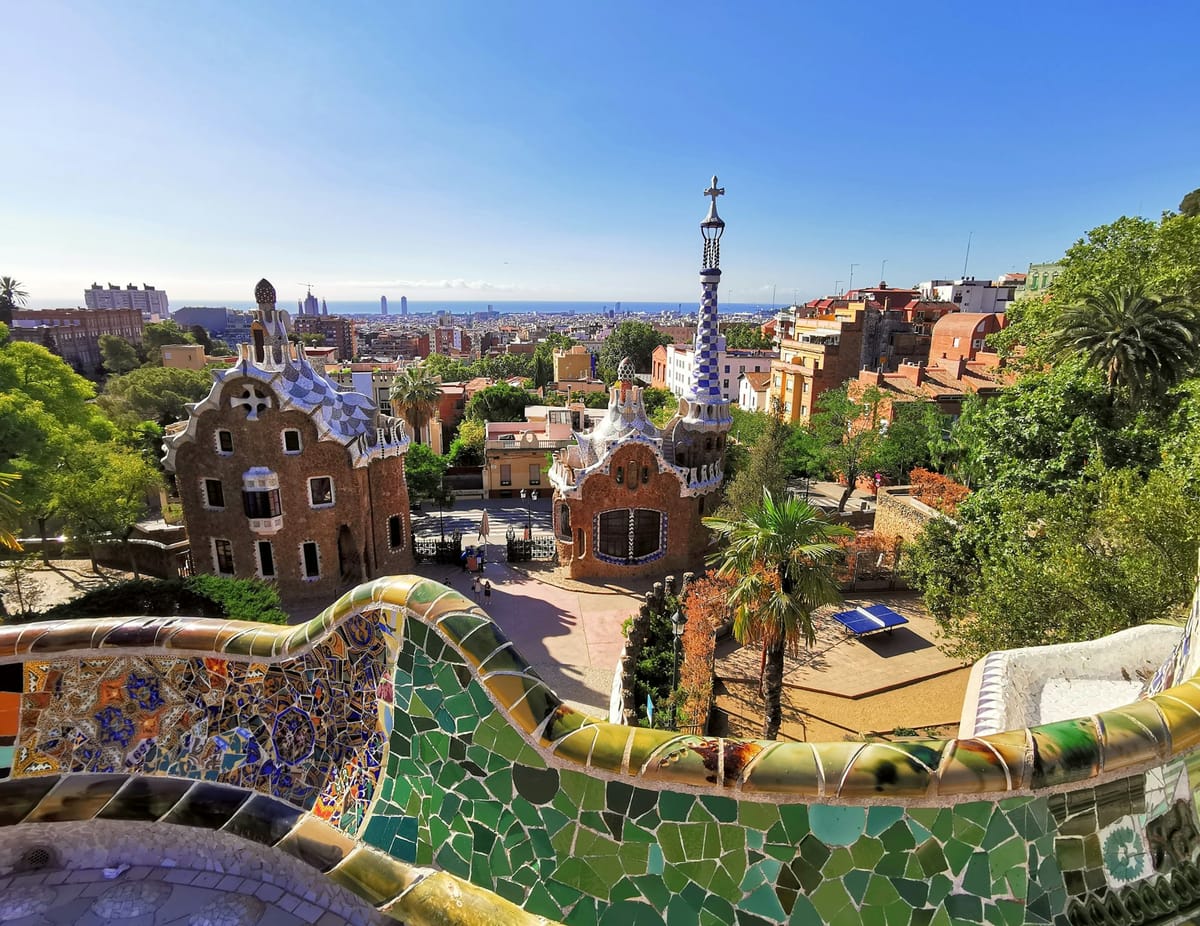
Spend a day on Gaudí. Park Güell is the one to plan around: its official site says tickets must be bought in advance and online, and same-day tickets can sell out. Book a morning slot, then work your way back toward the center. If you plan to go inside the Sagrada Família, check the basilica's official site for current opening times and tickets before you build the day around it. End in the Gothic Quarter, where the streets are narrow enough that getting a little lost is part of the plan.
Day 3: Take a day trip from Barcelona
Take a day out of the city. Three common picks, all reachable by regional train:
- Montserrat: a mountain monastery with hiking trails and big views. Go early on weekends.
- Girona: a walled medieval old town and a quieter pace than Barcelona.
- Sitges: a beach town if you want a slow day by the water.
Back in Barcelona, pack tonight. Tomorrow is a travel day.
Day 4: Take the train to Paris
The direct high-speed train from Barcelona to Paris takes most of a day, so treat day 4 as a travel day and enjoy the train ride. It is a long trip, but it runs city center to city center, with no airport security line and no checked bag fees. A flight is faster in the air but not always faster door to door. Check the rail operator's timetable for current times, since the direct train does not run on every schedule, and book early for the best fares. For more on rail travel, see our guide to great train trips.
Arrive, check in, and walk along the Seine at dusk. That is plenty for day 4.
Days 5 and 6: Paris
You have two full days in Paris. Split them by area so you are not crossing the city five times:
- Day 5: one of the big art museums in the morning, then the Left Bank and the Latin Quarter on foot. Book timed entry for the major museums on their official sites.
- Day 6: the Eiffel Tower early (book ahead if you want to go up), the Trocadero side for photos, then Montmartre in the late afternoon.
If you only have energy for one big museum, pick one and do it properly. Two in one day usually means seeing neither.
Day 7: Train from Paris to Amsterdam
The direct high-speed train between Paris and Amsterdam takes a few hours, so take the train in the morning and you get an afternoon in Amsterdam. As with every leg, check the current timetable and book ahead. On arrival, walk the canal ring and get your bearings. Amsterdam is small enough to cover on foot or by tram.
Days 8 and 9: Amsterdam and the canals
- Day 8: a museum morning (the big art museums here also use timed tickets), then a canal boat tour in the afternoon. Seeing the city from the water is the easiest way to understand how it fits together.
- Day 9: spend a day on a neighborhood like the Jordaan, a market, or a bike ride. You could also take a day trip by train to a smaller Dutch town.
Day 10: Fly home from Amsterdam
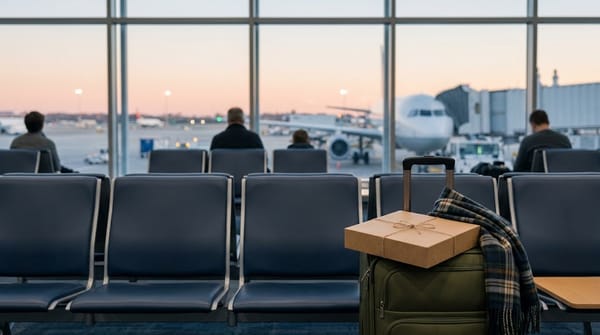
On the last of your days in Europe, keep the morning simple: breakfast, one short walk, and an early start to the airport. When you fly home, you clear US Customs at your first US airport. Leave extra time at the European end, since the EES check also applies when you leave the Schengen area.
Three ways to swap the route
The same 10-day structure works with other cities. Keep three bases and two moves.
Version 2: Barcelona, the French Riviera and northern Italy
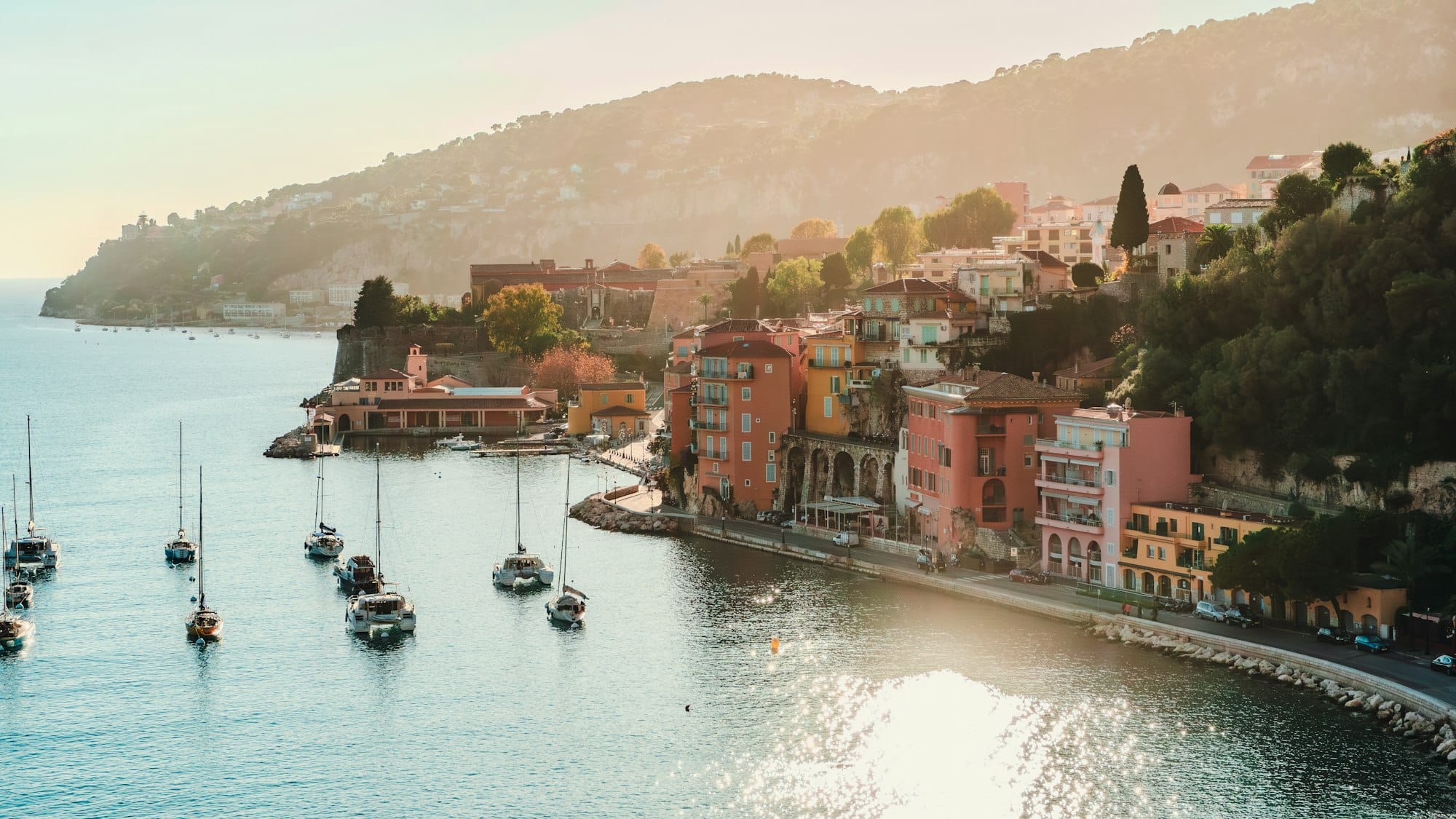
Barcelona for four nights, Nice for three, then the Italian coast for three. From Nice, you can reach Monaco and the hill villages by regional train or bus. If you want the small inland villages, rent a car for a day rather than the whole trip. Then continue by train into northern Italy for the Cinque Terre villages, and fly home from a larger Italian airport. This version has more connections and fewer direct trains, so check each leg before you book. For ideas once you are in Italy, see our list of things to do in Italy.
Version 3: Barcelona, Paris and London
If you want London and Paris on the same trip, swap Amsterdam for London. Take the train under the Channel from Paris to London on day 7 and fly home from London. Remember the UK ETA.
Version 4: Barcelona and Rome
If the Colosseum is the reason for the trip, skip the middle city. Barcelona for five nights, then a short flight to Rome for five. This only has one move, so it is the most relaxed 10 day trip of the four. Book timed entry for the Colosseum and the Vatican Museums on their official sites well ahead. A flight from Paris to Rome also works if you would rather do Paris and Rome.
Getting around: trains, flights or a car
- Trains make sense for most legs under about a day of travel. You go city center to city center, carry your own bags, and skip airport security.
- Short flights make sense for long distances like Barcelona to Rome. Read the fare rules: the cheapest fares often charge extra for carry-on bags and seats.
- Rail passes can pay off on trips with many legs, but on a three-base plan, single tickets bought early are often enough. Compare both before you buy. High-speed trains usually need a seat reservation even with a pass.
- Rental cars are best for countryside days. In big cities, parking and traffic make a car more trouble than help.
Costs that surprise first-time visitors
- Tourist taxes. Most cities on these routes add a per-person, per-night tourist tax to your lodging bill. The amount depends on the city and the type of lodging, and it is often charged at check-in, not when you book. Look for it in the booking details.
- Timed tickets. Major sights sell out, especially in summer. Book the two or three you care about most as soon as your dates are set.
- Cards and cash. Cards are widely accepted, but carry a little cash in euros for small purchases. Tell your bank you are traveling and use a card with no foreign transaction fee if you have one.
- Bags. Every move means carrying your luggage on and off trains. One carry-on size bag each makes the train days much easier. Our travel packing checklist can help you pack light.
When to go
June through September brings long days and the most crowds, and southern cities can be hot. Late spring and early fall are a good middle ground for a first trip to Europe: sights are open, lines are shorter, and the weather is usually easier for walking all day. Winter is quieter and often cheaper, with shorter days.
A few planning rules that keep ten days relaxed
- Plan one big thing per day and leave the rest open.
- Do not schedule anything important on travel days.
- Stay near a main station or in a central neighborhood so you can walk.
- Keep your last days easy. A missed flight costs more than a skipped museum.
- If a cruise is on your list too, plan it as a separate trip. Ten days on land fills up fast.
If this is your first trip to Europe, the best plan is the one you can actually enjoy. Three cities, done well, will give you a better sense of Europe than six done in a rush.
Entry rules change, so check each official page again a few weeks before you travel to Europe.
Sources: US State Department (travel.state.gov guidance for US travelers in Europe and country pages), European Commission Migration and Home Affairs (Entry/Exit System and ETIAS pages), the EU's official Travel to Europe site, GOV.UK Electronic Travel Authorisation, Park Güell official site. Entry rules, fees and ticket systems change; check the official pages before your trip.