Hawaii for First-Time Visitors: How to Pick an Island and What to Book Ahead
Planning your first trip to Hawaii comes down to three decisions: which island, how many islands, and what to reserve before you land. If you are going to Hawaii for the first time, this guide walks through all three, then covers the local rules visitors must know and how to stay safe in the ocean. Several popular spots, including the Haleakalā sunrise, the USS Arizona Memorial and Hanauma Bay, now need advance reservations, and first timers often find out too late.
Each rule below names the official state, county or federal page we checked in October 2026. Fees, reservation windows and park closures change, so check those pages again before you go.
Choosing your first Hawaiian island
Each Hawaiian island feels different, and the right one depends on what you want to do most. Here is how the four islands most visitors pick compare for a first trip to Hawaii.
- Oahu: the easiest first island. Honolulu is the main gateway for flights from the mainland and has a wide range of places to stay. Waikiki puts a beach, restaurants and hotels within walking distance. Pearl Harbor, Diamond Head and Hanauma Bay are all here, and the North Shore makes an easy day trip across the island. Choose Oahu if you want a mix of city, history and beach without much driving.
- Maui: beaches, the Road to Hana and the summit of Haleakalā National Park. It is more spread out than Oahu, so you will want a car. Choose Maui for beach days plus one or two big scenic drives.
- The Big Island (Island of Hawaii): the largest island by area, with Hawaii Volcanoes National Park, black sand beaches, coffee farms and very different weather from one side of the island to the other. Distances are long. Choose it if volcanoes and wide open landscapes are the reason for the trip.
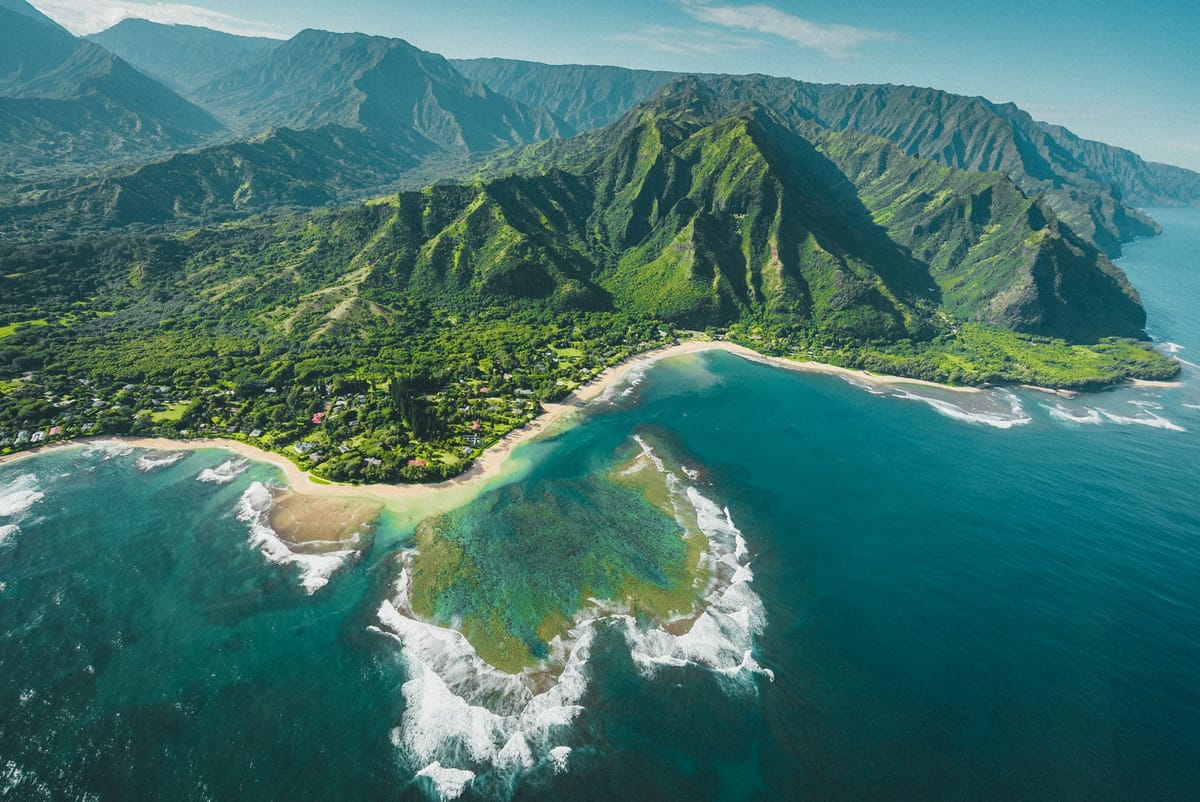
- Kauai: the quietest of the four, with green mountains, the Nā Pali Coast and fewer big resorts. Choose it for hiking and slower days. After Hurricane Lowell in September 2026, DLNR reopened Hāʻena State Park on October 15 and the main Waimea Canyon Lookout on October 24, but Kōkeʻe State Park, the other canyon lookouts and the rest of Waimea Canyon State Park stayed closed until further notice. Check the DLNR park notices before you book.
If you truly cannot decide, Oahu is the easiest pick for a first time visitor. It has the most to do in a small area, and you can visit one of the other islands next time.
One island or two? How to island hop
For a trip of a week or less, visit one island. Hawaii is more spread out than it looks on a map, and every move costs you most of a day: checking out, returning the rental car, getting to the airport early, flying, picking up a new car and checking in again. For 10 days or more, two islands is a good fit. A common plan is Oahu first, then Maui or the Big Island.
To island hop, most visitors take a short inter-island flight. Book inter-island flights when you book your main flights, and fly into one island and home from the other if prices allow. That saves an extra hop back.
Sample Hawaii itinerary for first timers
7 days on Oahu
- Days 1 and 2: Settle into Waikiki, beach time, and an early hike up Diamond Head.
- Day 3: Pearl Harbor in the morning, downtown Honolulu in the afternoon.
- Day 4: Snorkel at Hanauma Bay (closed Mondays and Tuesdays).
- Day 5: Drive around the island to the North Shore, stopping at beaches on the way.
- Day 6: The windward side: Kailua and the mountain views around Kāneʻohe.
- Day 7: A slow morning and a last beach before your flight.
10 days on two islands
- Days 1 to 5: Oahu, using the plan above in a shorter form.
- Day 6: Fly to Maui or the Big Island.
- Days 7 to 9: On Maui, Haleakalā at sunrise or sunset, the Road to Hana on its own day, and beach days. On the Big Island, a full day at the volcano national park, plus beaches and a drive to the other side of the island.
- Day 10: Fly home.
Give yourself at least three or four nights on each island. Fewer than that, and you spend more time in transit than on the beach.
What first-time visitors need to book ahead
Several of the places first timers most want to visit now use reservations, so check these before you plan a trip around a specific day. These are official systems; avoid resellers that charge more for the same entry.
- Haleakalā sunrise (Maui): The National Park Service requires a sunrise reservation to drive up between 3:00 and 7:00 a.m. Reservations are sold only on Recreation.gov, open 60 days ahead at 7 a.m. Hawaii time, with some released two days ahead. The reservation costs $1 per vehicle, and you still pay the park entrance fee. Sunset does not need a reservation.
- Pearl Harbor National Memorial (Oahu): The USS Arizona Memorial program is free, but the NPS says tickets come only through Recreation.gov, with a $1 per ticket fee. Tickets are released 8 weeks and 24 hours ahead. There is a standby list, but seats are not guaranteed. Arrive at least an hour before your program.
- Hanauma Bay (Oahu): The City and County of Honolulu says the bay is closed every Monday and Tuesday. Non-resident admission was $25 plus an online fee when we checked (children 12 and under free), reservations open two days ahead at 7 a.m. Hawaii time, and every visitor watches a short educational video before going down to the beach.
- Diamond Head State Monument (Oahu): Hawaii State Parks requires out-of-state visitors to reserve entry and parking in advance. The state page listed $5 per person for entry and $10 per vehicle for parking.
- Hāʻena State Park (Kauai): Out-of-state visitors need a reservation for entry, parking or the shuttle. The Kalalau Trail past the two-mile point and overnight camping were closed as of the October 2026 DLNR release.
Hawaii Volcanoes National Park charges an entrance fee ($30 per private vehicle on the NPS fees page when we checked). Eruption viewing depends on what the volcano is doing, and some areas close for safety; see our guide to Hawaii volcano viewpoints and check the park's current conditions page the day you go. If national parks are a big part of your travel, our US national parks guide covers more.
Hawaii rules visitors must know
- Sunscreen. Under state law (Act 104 of 2018), since January 1, 2021 sunscreens containing oxybenzone or octinoxate cannot be sold or distributed in Hawaii without a prescription. Maui County goes further: since October 1, 2022, its ordinance bans the sale, distribution or use of non-mineral sunscreen on Maui, Lānaʻi and Molokaʻi. Mineral means the active ingredients are zinc oxide or titanium dioxide. Simplest plan: bring or buy a mineral sunscreen for the whole trip.
- Wildlife distance. NOAA Fisheries recommends staying at least 10 feet from sea turtles and at least 50 feet from Hawaiian monk seals, on land and in the water, and 150 feet from a mother seal with a pup. Never touch or feed them. If there are signs or a roped area, stay behind them.
- Agricultural inspection on the way home. The USDA inspects bags at Hawaii airports before flights to the mainland. Most fresh fruits and vegetables are restricted; fresh pineapple and coconut are allowed after inspection. Declare anything you are not sure about.
- Lodging tax. Hawaii's Department of Taxation says the transient accommodations tax on hotels and vacation rentals rose from 10.25% to 11% on January 1, 2026, and counties add their own surcharge. Compare lodging prices with taxes included.
- Respect closed areas and private land. Many trails, waterfalls and beaches shown on social media cross private land or closed areas. If a sign says closed or keep out, believe it.
Visiting Maui with respect after the Lahaina fire
The August 2023 wildfire destroyed much of Lahaina, and recovery is still going on. The Hawaii Tourism Authority says respectful travel to Maui is welcome and encourages visitors to support the recovery. Maui County reopened Front Street in Lahaina to traffic on August 1, 2026, with some nearby streets still closed for work. A reopened road is not a sightseeing stop: this is a place where people lost homes and family. Do not photograph burn areas or residents' properties, leave quietly if you come across a memorial, and spend your money at local Maui businesses. Before you go, check Maui County and Hawaii Tourism Authority pages for current access.
Ocean safety for first timers
Hawaii's ocean is beautiful and can be dangerous, especially for visitors used to calmer water. The Hawaii Tourism Authority's ocean safety page says waves are unpredictable and to keep an eye on the water. The state's ocean safety site recommends swimming at a lifeguarded beach and publishes the list of lifeguarded beaches for each island.
- Swim near a lifeguard tower and ask the lifeguard about conditions that day.
- Never turn your back on the waves, even when wading or taking photos on rocks.
- Winter surf on north-facing shores, including Oahu's North Shore, can be very large. Watch from the sand unless you are an experienced surfer.
- If you are caught in a current, do not fight it. Swim parallel to shore, then back in, or float and signal for help.
- Snorkel with a buddy and know your limits. Fins and a flotation vest help.
Best time to visit Hawaii
There is no bad time to visit Hawaii, but there are trade-offs. Summer and the winter holidays are the busiest and most expensive. Spring and fall tend to have fewer crowds and lower prices. Winter brings more rain on the windward sides of the islands and the big North Shore surf. Hurricane season in the Central Pacific runs from June through November, and storms can close parks and roads; a travel insurance policy that covers weather disruption is worth a look. Our post on whether travel insurance is worth it explains what to check.
Hawaiian culture: a few basics
Hawaii is a state with its own history, language and culture, not a theme park. Learning a few words (aloha, and mahalo for thank you), driving with patience, and treating sacred and cultural sites with care all go a long way. If you want to visit a cultural site or attend a luau, look for ones run by or with Native Hawaiian organizations so you learn the history from the people who carry it.
The short plan for your first trip to Hawaii: pick one island for a week, two for 10 days or more, book the reservation-only places as soon as your dates are set, pack mineral sunscreen, and respect the ocean and the people who live there.
Sources: Hawaii State Legislature (Act 104, 2018; Act 96, 2025), Hawaii Department of Taxation, Maui County, Hawaii Department of Land and Natural Resources (Division of State Parks and October 13, 2026 release), City and County of Honolulu (Hanauma Bay), National Park Service (Haleakalā, Pearl Harbor National Memorial, Hawaii Volcanoes), NOAA Fisheries, USDA APHIS, Hawaii Tourism Authority (gohawaii.com), Hawaii ocean safety site, NOAA Central Pacific Hurricane Center. Reservation systems, fees and park closures change; check the official pages before your trip.