Summer Solstice Celebration: Summer Festivals Around the World

As the longest day of the year graces us with its extended daylight, the summer solstice ushers in a season of vibrant celebrations across the globe. From ancient rituals to contemporary music festivals, the spirit of summer ignites a universal desire to gather, rejoice, and embrace the warmth and abundance of the sun. This article delves into the heart of these festivities, exploring their historical roots, cultural significance, and the sheer joy they bring to millions.
Introduction to Summer Festivals

Summer festivals are a testament to humanity's enduring connection with the cycles of nature, offering a myriad of ways to celebrate the warmth and vitality of the season. They transform cities and landscapes into vibrant destinations for gatherings, music, and cultural expression.
The Significance of the Summer Solstice
The summer solstice holds profound significance across various cultures, marking the longest day and shortest night of the year in the Northern Hemisphere. This celestial event has historically been a time for celebration, often associated with fertility, abundance, and the power of the sun. Ancient peoples observed and revered this moment, developing ritualistic practices and festivities to honor the solstice, many of which continue to influence modern-day summer festivals and celebrations around the world, creating a tapestry of human connection to the natural world.
Overview of Global Summer Festivals

Across continents, summer festivals manifest in an astonishing array of forms, each a unique reflection of its local culture and traditions. These events offer diverse experiences, contributing to the global tapestry of summer festivities, showcasing an incredible spectrum of human creativity and cultural expression that truly ushers in the summer.
| Festival | Location | Description |
|---|---|---|
| Inti Raymi | Cuzco, Peru | Ancient Inca festival dedicated to the sun god. |
| Midsommar | Sweden | Modern celebration where Swedes dance around a maypole. |
| San Juan | Barcelona | Fiery celebrations. |
| Infiorata | Italy | Dazzling flower festivals. |
| Summer Parades | Tokyo | Vibrant parades. |
Key Elements of a Summer Festival Celebration
While summer festivals vary widely in theme and scale, several key elements often unify these vibrant celebrations. These gatherings are often characterized by a strong sense of community, shared joy, and an opportunity to celebrate cultural heritage, making each festivity a memorable experience.
| Element | Example/Description |
|---|---|
| Live Music | Pervasive feature; festivals like Glastonbury or Primavera Sound in Barcelona become massive music destinations with international and local headliners offering contemporary music. |
| Parades | Common, featuring elaborate floats and costumes, alongside traditional dance around the maypole or other symbolic structures. |
| Food | Plays a crucial role, from elaborate feasts to the spirited tomato fight of La Tomatina in Buñol. |
Stonehenge and the Solstice Celebrations

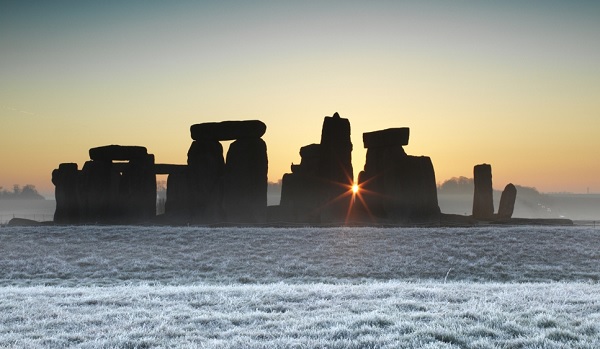
Stonehenge, a prehistoric monument in Wiltshire, England, stands as a powerful symbol of ancient celestial observation and remains a premier destination for summer solstice celebrations. Its mysterious stone circles align precisely with the sunrise on the summer solstice, drawing thousands of modern-day pilgrims.
The Historical Importance of Stonehenge
Stonehenge’s historical importance is intrinsically linked to its role as an ancient astronomical observatory and a spiritual site. For millennia, this iconic monument has served as a gathering place for celebrating the summer solstice, a testament to the ingenuity and cosmological understanding of its builders. The alignment of the stones with the solstice sunrise suggests a deep reverence for the sun and its annual cycle, making it a sacred shrine. The monument likely played a central role in ritualistic practices and ceremonies for the early inhabitants, whose chants and drums would have filled the air during the summer solstice at Stonehenge, making it an integral part of their spiritual and seasonal calendar, and an enduring symbol of ancient civilization.

Experiencing the Solstice at Stonehenge
Experiencing the solstice at Stonehenge is a unique and often profound event, drawing thousands of people to witness the sun rise directly over the Heel Stone. This annual event transforms the ancient site into a vibrant gathering, where participants can feel a palpable connection to history and the cosmos. Many arrive early to secure a prime viewing spot, sometimes spending 24 hours in anticipation. The atmosphere is one of shared wonder and reverence, with people observing the spectacle and even dancing around the monument. It’s a powerful opportunity to connect with an ancient celebration, fostering a sense of community and spiritual awe as the first rays of the longest day illuminate the prehistoric stones, creating a truly unforgettable experience for all present.
Visitor Insights and Tips
For those planning to experience the summer solstice at Stonehenge, careful preparation is key. As it's an incredibly popular event, arriving very early is essential, as crowds can be substantial. The site is open to all for this specific celebration, but facilities are limited, so bringing your own water, snacks, and warm clothing is advisable, even in summer. Respecting the monument and the spiritual nature of the gathering is paramount. Engaging with fellow visitors, many of whom come from around the world, can enrich the experience, but remember to leave no trace. This planning ensures a more enjoyable and reverent participation in this ancient and moving celebration.
Edinburgh's Midsummer Festivals

Overview of Edinburgh's Festival Scene
Edinburgh, a historic city in Scotland, truly transforms into a vibrant festival destination during the summer months, offering a diverse array of celebrations. Known as the "Festival City," it hosts numerous summer festivals, each contributing to a dynamic cultural tapestry.
Highlighting Key Events and Activities
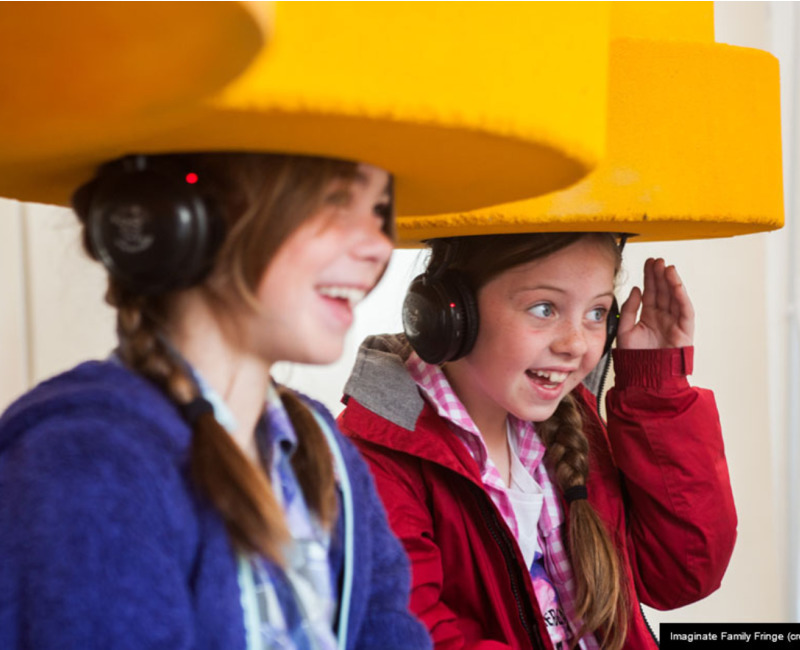
Edinburgh's summer is a vibrant tapestry of celebrations. Among them, the Edinburgh Fringe Festival holds a special place, being the world's largest arts festival and showcasing a vast array of performances.
| Event Category | Description |
|---|---|
| Edinburgh International Festival | A premier arts festival featuring international and local headliners. |
| Music Festivals | Fill the air with live music, ranging from contemporary concerts to traditional gatherings. |
| Parades | Common sights featuring elaborate floats and unique costumes, contributing to the lively atmosphere. |
How to Participate in Edinburgh Celebrations
Participating in Edinburgh's summer festivals is an immersive experience. Many events offer tickets online, especially for popular shows and music festival performances, so early booking is highly recommended. Exploring the streets, one can discover spontaneous street performances and free events, creating an open-air celebration. Embrace the spirit of the city, engage with the arts, and enjoy the diverse cultural offerings that make Edinburgh a truly exceptional summer destination during its midsummer festivities.

Inti Raymi: The Festival of the Sun in Peru

Historical Background of Inti Raymi
Inti Raymi, meaning "Festival of the Sun," is a profoundly significant Inca celebration that honors the sun deity, Inti. Historically, this annual event was the most important festivity in the Inca Empire, a ritualistic pageant performed to ensure a bountiful harvest and to pay homage to the "Sun King."
Celebration Activities and Rituals
The main event of Inti Raymi takes place in Cusco, Peru, drawing thousands to witness its grandeur. The celebration begins at the Qorikancha (Temple of the Sun) and culminates at the ancient Inca fortress of Sacsayhuaman. The spectacle involves elaborate costumes, traditional music, and ritualistic dances, with actors portraying the Sapa Inca and other historical figures. Chants and drums fill the air as offerings are made to the sun, a powerful gathering that truly ushers in the summer in the Southern Hemisphere, demonstrating profound reverence for the Inca heritage.
Travel Tips for Attending Inti Raymi
For those planning to attend Inti Raymi, it is advisable to book accommodations and tickets well in advance, as this celebration is a major tourist destination. The main event at Sacsayhuaman typically requires paid entry for the best viewing spots, though parts of the parade through Cusco are free to observe. Be prepared for large crowds and high altitudes. Embrace the cultural immersion and witness this historic Inca festival firsthand, celebrating the summer solstice in a truly unique way.
La Tomatina: A Unique Summer Festival in Spain
The Origins of La Tomatina
La Tomatina is a truly unique summer festival held annually in Buñol, a town near Valencia, Spain. Its origins are somewhat shrouded in legend, with the most popular story recounting a spontaneous food fight among locals during a parade in the late 1940s. This unplanned festivity eventually evolved into an organized annual event, transforming Buñol into a world-renowned destination for this unusual celebration. It is not tied to the summer solstice, but rather occurs in late August, marking the tail end of summer.
 La Tomatina Tours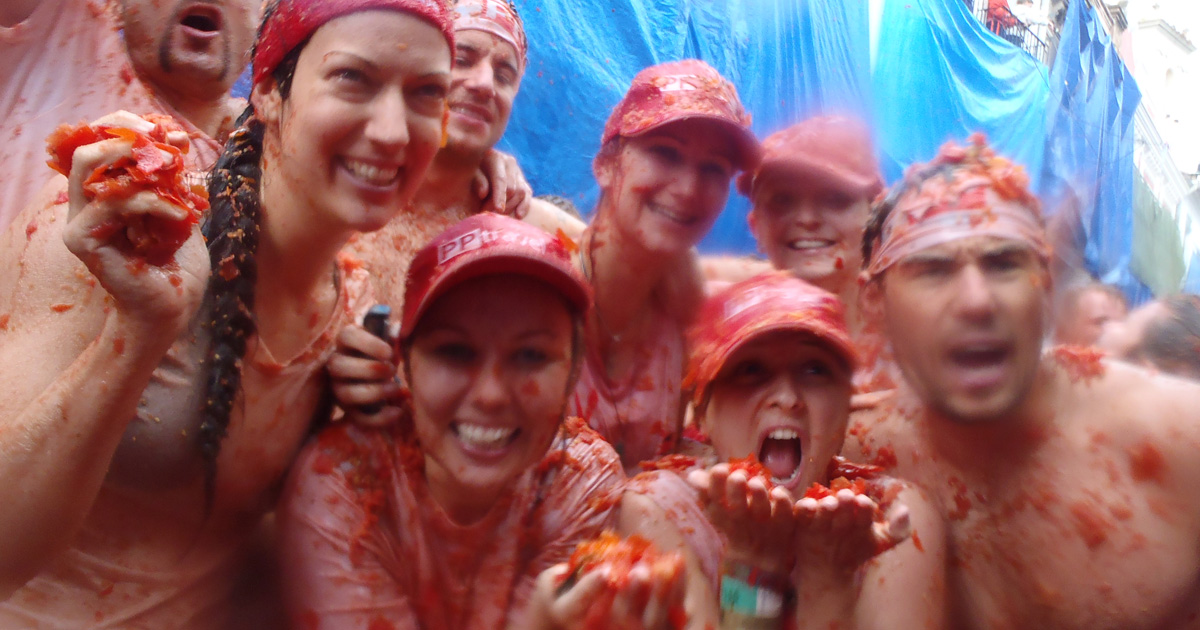
Festival Highlights and Activities
The highlight of La Tomatina is undoubtedly the massive tomato fight, where thousands of participants hurl ripe tomatoes at each other in a chaotic yet exhilarating food fight. This unique celebration begins with a "palo jabón," a greasy pole climb to retrieve a ham, signaling the start of the tomato-throwing frenzy. Water cannons then announce the commencement of the main event. It's a gathering defined by shared joy, laughter, and a spirited sense of camaraderie, turning the streets of Buñol into a sea of red. While it is not a music festival, the atmosphere is incredibly lively and festive, making it one of the world's most talked-about summer festivals.
Practical Information for Festival-Goers
Attending La Tomatina requires some practical preparation. Tickets are essential, as participation is limited to control crowds, and they sell out quickly. Goggles and old clothes are highly recommended to protect eyes and avoid staining good attire during the tomato fight. It's also wise to wear sturdy, closed-toe shoes. Public transport to Buñol on the day of the event can be crowded, so planning travel arrangements in advance is crucial. Embrace the chaos, follow the safety guidelines, and enjoy this incredibly fun and messy summer celebration in Spain, making sure to leave no trace after the festivity concludes.
Midsommar Celebrations in Sweden

Understanding Midsummer Traditions
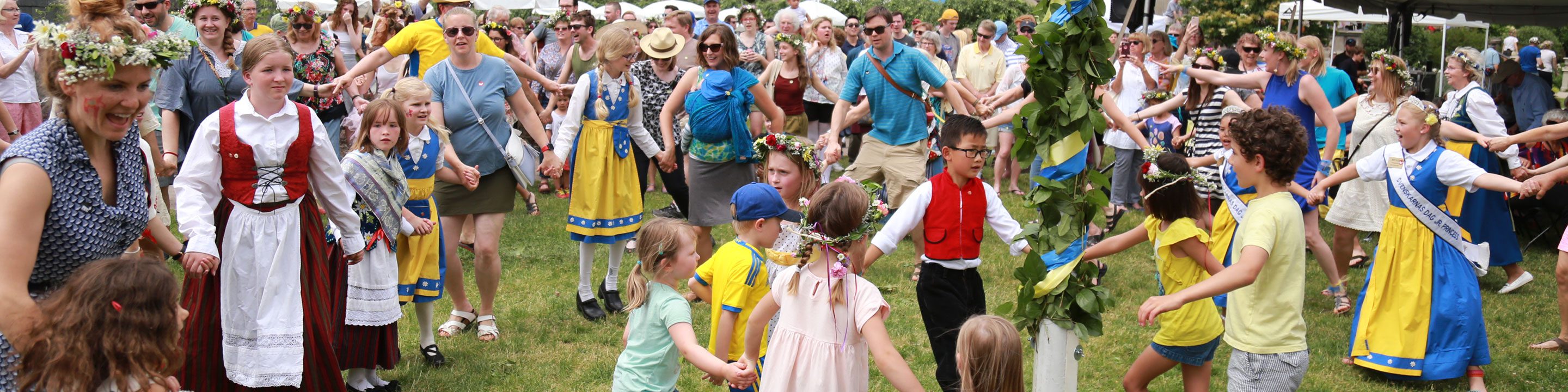
Midsommar, Sweden's beloved midsummer celebration, is a central part of the country's cultural identity, deeply rooted in ancient traditions that honor the summer solstice. This festivity, occurring around the longest day of the year, is a time when Swedes eagerly gather to celebrate the abundance of nature and the arrival of summer. The maypole, adorned with leaves and flowers, stands as the central symbol, around which people dance in joyful unison, reflecting a connection to age-old fertility rites and the vibrant energy of the season, creating a truly magical atmosphere.
Festivities and Cultural Significance
The Midsommar celebration is a spectacle of joy and community, deeply ingrained in Swedish culture. The festivities often include donning traditional costumes, enjoying sumptuous feasts of herring and new potatoes, and, of course, the lively dance around the maypole, often accompanied by folk music. This annual event transforms communities across Sweden into vibrant gatherings, where both international and local participants embrace the joyous spirit. Midsommar is more than just a party; it’s a celebration of light, life, and the enduring traditions that bring people together, reflecting a deep appreciation for the summer solstice.

Participating in Midsommar Events
To experience Midsommar firsthand is to immerse oneself in a truly authentic Swedish summer festival. Many towns and villages across Sweden host public celebrations, with Dalarna being a particularly popular destination for its traditional Midsommar events. Visitors can participate in the raising of the maypole, learn traditional folk dances, and enjoy the lively atmosphere of these family-friendly gatherings. Planning ahead is advisable, as accommodations can fill up quickly during this festive period. Embracing the opportunity to dance around the maypole and partake in local customs makes for an unforgettable summer celebration.
Infiorata: The Flower Festival in Italy

The Art of Infiorata
Infiorata, literally meaning "decorated with flowers," is a breathtaking summer festival in Italy that transforms streets into vibrant carpets of flower petals. This art festival is a testament to meticulous craftsmanship and devotion, where intricate designs, often religious in nature, are painstakingly created using millions of fresh flower petals. Each individual flower petal contributes to a larger, stunning mosaic, making it a unique spectacle among festivals around the world. The temporary nature of these masterpieces underscores the fleeting beauty of art and the cyclical nature of life, a beautiful annual event.
Key Locations for the Flower Festival
While Infiorata festivals are celebrated in various towns across Italy, some locations are particularly renowned for their grand and elaborate displays. Noto in Sicily, Genzano di Roma, and Spello in Umbria are premier destinations for experiencing the artistry of Infiorata. Each town brings its unique flair to the celebration, often drawing thousands of visitors to witness the creation and exhibition of these stunning flower petal carpets. These gatherings during late May or early June are truly transformative, turning historic streets into temporary outdoor art galleries filled with fragrant beauty, an unmissable summer festival.
How to Experience Infiorata Festivals
Experiencing an Infiorata festival requires planning, as these captivating events typically occur in late May or early June, coinciding with the peak bloom of many flowers. Visitors should aim to arrive early to witness the artists meticulously arranging the flower petals, observing the transformation of cobblestone streets into vibrant tapestries. Many festivals last only a day or two, culminating in a parade that walks over the floral carpets. This is a unique opportunity to immerse oneself in a traditional Italian celebration, appreciating the intricate artistry and the ephemeral beauty of this stunning flower festival.
Summer Festivals Around the World
Comparative Insights on Different Celebrations
Exploring summer festivals around the world reveals a fascinating tapestry of human creativity and cultural expression, from the ancient ritualistic chants of Inti Raymi in Cuzco, Peru, to the chaotic food fight of La Tomatina in Buñol. While some, like Midsommar in Sweden, directly celebrate the summer solstice, others, such as Edinburgh's arts festival scene or Tokyo’s vibrant parades, offer a broader celebration of the summer season. Each festivity, whether a music festival with international and local headliners or a solemn gathering at Stonehenge, showcases unique traditions, costumes, and a shared desire to celebrate community and joy, offering diverse ways to usher in the summer.
Future Trends in Summer Festivals
The landscape of summer festivals is continuously evolving, with future trends pointing towards increased sustainability, technological integration, and a greater emphasis on unique, immersive experiences. Organizers of festivals around the world are increasingly focusing on reducing environmental impact, while digital innovations are enhancing visitor engagement and accessibility, making these annual events even more inclusive. From virtual reality elements at a music festival to more localized, community-driven celebrations, the future promises a dynamic and diverse array of summer festivals, ensuring that the spirit of celebration continues to adapt and thrive, further enriching the global cultural calendar.
Conclusion on the Importance of Celebration
In conclusion, summer festivals, whether they are grand music festival events like Glastonbury, traditional gatherings around a maypole, or unique celebrations like the tomato fight of La Tomatina, underscore the universal human need for celebration. These diverse festivals around the world, from the Inca's Inti Raymi to Sweden’s Midsommar, offer vital opportunities for communities to connect, preserve cultural heritage, and find joy. They are a powerful reminder of our connection to nature's cycles, particularly the summer solstice, and the enduring importance of coming together to celebrate life, light, and shared human experience, truly ushering in the summer with unforgettable memories.


