
Is it Safe to Travel Right Now?

Airport Security: TSA Wait Times and Transportation Security
Navigating the complexities of airport security, including TSA screening, is a common concern for travelers. Understanding the role of the Transportation Security Administration (TSA), its procedures, and potential wait times can significantly impact your travel experience. This article aims to provide valuable insights into the TSA's operations and practical tips to minimize delays at security checkpoints.
TSA & Airport Travel Updates (2026): Key Facts for Travelers
TSA Staffing Issues Are Causing Longer Security Lines
- A partial U.S. government shutdown has caused staffing shortages at the Transportation Security Administration (TSA).
- Over 50,000 TSA officers have been working without pay, and absenteeism has risen significantly.
- Normally fewer than 2% of TSA workers miss shifts, but recent absentee rates have exceeded 10% nationally, with some airports seeing much higher rates.
- Major airports such as Atlanta, Houston, and New Orleans have reported absentee rates above 30%, contributing to longer security lines.
What travelers are experiencing:
- Security wait times of 2–3 hours at peak times in some airports.
- Fewer open security lanes and longer checkpoint lines.
- Travel experts recommend arriving at least 2–3 hours early for domestic flights.

Is It Safe to Travel Right Now?
Safety vs. Convenience
- Air travel remains statistically very safe, with no widespread safety threats affecting commercial aviation.
- However, travelers may encounter operational challenges such as long lines, crowded terminals, and delays.
Biggest travel risks right now:
- Missing flights due to long security lines
- Flight delays caused by staffing shortages
- Weather disruptions during peak travel seasons
New TSA Rules Travelers Should Know (2025–2026)
REAL ID is Now Required
- As of May 7, 2025, travelers must use a REAL ID-compliant driver’s license or another approved ID (like a passport) to board domestic flights.
- Licenses with a star in the corner indicate REAL ID compliance.
- In 2026, TSA introduced a $45 identity verification option if you arrive without REAL ID, but it only works as a short-term exception.
You May Not Need to Remove Your Shoes
- TSA officially ended the universal shoe removal rule in 2025, making security checkpoints faster for many travelers.
- Some travelers may still remove shoes during secondary screening or random checks.
Improved Security Technology
- Airports are rolling out advanced scanning technology that allows faster screening of bags and passengers.
- New scanners are designed to detect threats more quickly while reducing the need for manual bag checks.
Airlines Are Tightening Carry-On Rules
- Many airlines are becoming stricter about carry-on size and weight limits.
- Lithium batteries and power banks must stay in carry-on bags and not checked luggage.
Travel Demand Is Surging Again
- Spring break and holiday travel are driving record passenger numbers in 2026.
- The U.S. travel industry expects over 170 million passengers during peak spring travel periods.
This surge in travelers is another reason airports may feel crowded.
Travel Tips Right Now
You could include a quick list like this:
If you’re flying soon:
- Arrive earlier than usual (2–3 hours for domestic flights)
- Bring a REAL ID or passport
- Pack lithium batteries in carry-on bags
- Check airport wait times before leaving home
- Consider TSA PreCheck or CLEAR if you fly often

TSA Overview
Understanding the Role of TSA
The Transportation Security Administration (TSA) plays a crucial role in aviation security. As a security agency, it safeguards the nation's transportation systems. The TSA's primary goal is to ensure freedom of movement for people and commerce. This is achieved by implementing security measures at airports and other transportation hubs.
History of the Transportation Security Administration
Established in the wake of the September 11 attacks, the Transportation Security Administration (TSA) was created to bolster airport security and enhance customs and border control measures. It marked a significant shift in how airport security was managed in the United States, leading to increased funding for the department. The TSA has evolved to meet emerging threats to aviation security.
Current Structure and Staffing of TSA
The Transportation Security Administration (TSA) is a large agency within the Department of Homeland Security. It employs tens of thousands of TSA workers and staff to ensure efficient operations. These TSA agents are stationed at airports and other transportation facilities nationwide. One-third of TSA is assigned to the busiest hubs.
TSA Wait Times
Factors Affecting TSA Wait Times
TSA wait times at airports can vary due to several factors. These influencing elements often include:
- The time of day can greatly affect TSA lines and overall wait times at airports.
- Passenger volume.
- Staffing levels.
- Security alerts.
During peak travel seasons, such as holidays, long TSA lines are common and can lead to travelers missing their first full paycheck due to delays. Staffing shortages can also significantly increase wait times at airports, leading to longer TSA lines for travelers.
How to Check TSA Wait Times
Travelers can check TSA wait times through various resources. The TSA provides an online tool called "TSA confirmID" that shows estimated wait times at security checkpoints. Some airports display wait times on their websites. This helps travelers plan their arrival time accordingly and reduce stress.
Traveler Tips for Reducing Wait Times
To minimize TSA wait times, travelers should arrive early, especially during peak hours. Enrolling in trusted traveler programs like TSA PreCheck can expedite the security screening process. Ensure that your carry-on items comply with TSA regulations to avoid delays at the checkpoint.

Airport Security: TSA Wait Times and Transportation Security
Navigating the complexities of airport security is a common concern for travelers. Understanding the role of the Transportation Security Administration (TSA), its procedures, and potential wait times can significantly impact your travel experience. This article aims to provide valuable insights into the TSA's operations and practical tips to minimize delays at security checkpoints.
TSA Overview
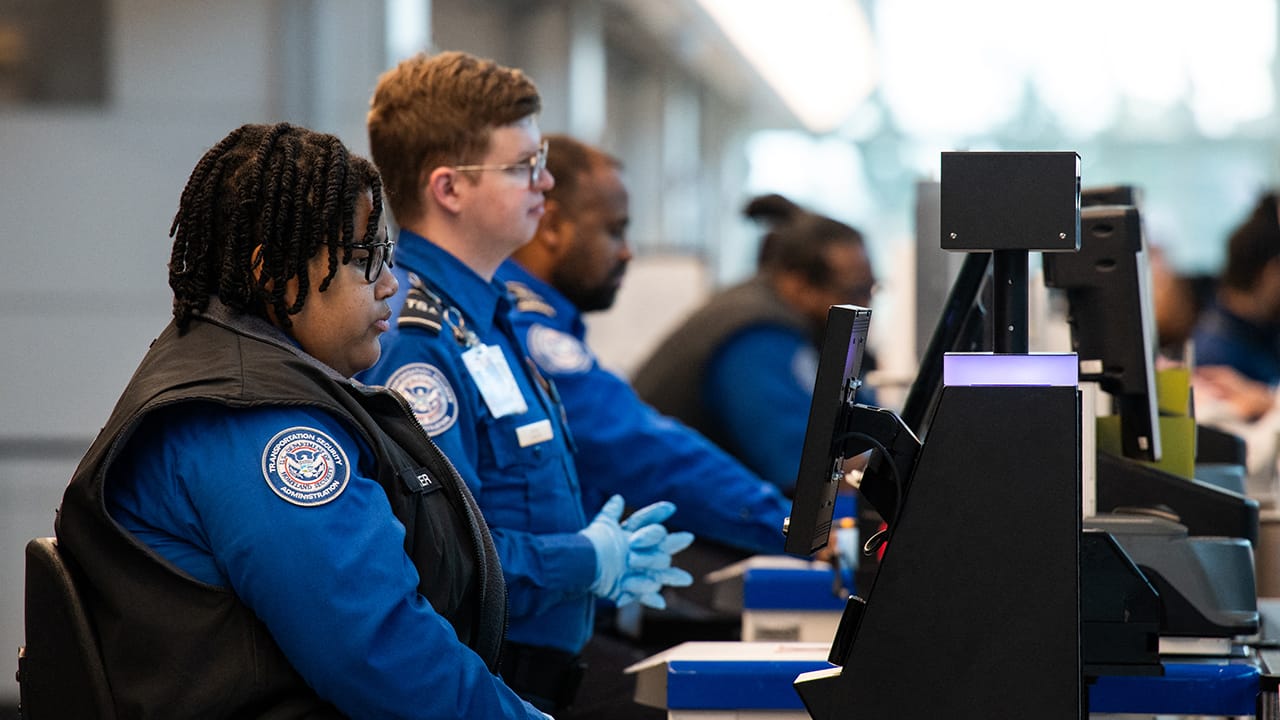
Understanding the Role of TSA
The Transportation Security Administration (TSA) plays a crucial role in aviation security. As a security agency, it safeguards the nation's transportation systems. The TSA's primary goal is to ensure freedom of movement for people and commerce. This is achieved by implementing security measures at airports and other transportation hubs.
History of the Transportation Security Administration
Established in the wake of the September 11 attacks, the Transportation Security Administration (TSA) was created to bolster airport security. It marked a significant shift in how airport security was managed in the United States. The TSA has evolved to meet emerging threats to aviation security.
Current Structure and Staffing of TSA
The Transportation Security Administration (TSA) is a large agency within the Department of Homeland Security. It employs tens of thousands of TSA officers and staff. These TSA agents are stationed at airports and other transportation facilities nationwide. One-third of TSA is assigned to the busiest hubs.
TSA Wait Times
https://www.dhs.gov/check-wait-times
Factors Affecting TSA Wait Times
TSA wait times at airports can vary due to several factors. Several elements can influence these times, including TSA screening procedures and staffing levels.
- The time of day
- Passenger volume
- Staffing levels
- Security alerts
During peak travel seasons, such as holidays, long lines are common. Staffing shortages can also significantly increase wait times at airports.
How to Check TSA Wait Times
Travelers can check TSA wait times through various resources. The TSA provides an online tool called "TSA confirmID " that shows estimated wait times at security checkpoints. Some airports display wait times on their websites. This helps travelers plan their arrival time accordingly and reduce stress.
Traveler Tips for Reducing Wait Times
To minimize TSA wait times, travelers should arrive early, especially during peak hours. Enrolling in trusted traveler programs like TSA PreCheck can expedite the security screening process. Ensure that your carry-on items comply with TSA regulations to avoid delays at the checkpoint.

Security Lines at Airports
Typical Security Line Procedures
Typical security lines at airports involve several standard procedures implemented by the TSA. The initial steps are outlined below:
| Step | Description |
|---|---|
| Document Verification | Travelers present their boarding pass and ID to a TSA agent. |
| Carry-on Screening | Travelers place their carry-on items in bins for X-ray screening. |
Travelers then walk through a metal detector or advanced imaging technology machine for TSA screening, ensuring aviation security.
Impact of High Passenger Volume on Security Lines
High passenger volume significantly impacts security lines at airports, leading to increased TSA wait times. During peak travel seasons or at major international airports like Hartsfield-Jackson Atlanta International Airport or Charlotte Douglas International Airport, long security lines are common. The sheer number of travelers can overwhelm TSA staffing, causing delays.
Innovations to Improve Security Line Efficiency
The TSA and airports are continually exploring innovations to improve security line efficiency. These include automated screening lanes and advanced imaging technology. Trusted traveler programs like TSA PreCheck also help expedite the TSA screening process for eligible travelers. These innovations aim to reduce TSA wait times and enhance the overall travel experience.
Challenges Facing TSA
Effects of Partial Government Shutdown on TSA Operations
A partial government shutdown can have significant effects on TSA operations. During a partial shutdown, TSA employees working without pay may experience increased stress and financial hardship, potentially leading to staffing shortages and increased security risks. The absence of TSA staff can result in longer TSA wait times and increased security risks at airport security checkpoints.

Concerns About TSA Staffing Levels
Concerns about TSA staffing levels are persistent, especially during peak travel times. Staffing shortages can lead to long lines and increased TSA wait times at airports. Insufficient staffing can also impact the thoroughness of security screening, potentially compromising aviation security. Adequate staffing is crucial to maintain efficient and effective security lines.
Public Perception and Trust in TSA Security
Public perception and trust in TSA security are vital for the agency's effectiveness. Positive perceptions can enhance cooperation and compliance with security procedures. Maintaining transparency and clear communication can improve public perception of the Transportation Security Administration and its TSA workers. However, negative experiences, such as long security wait times or perceived inconsistencies in security screening, can erode public trust.
TSA Confirmed Data and Statistics
Recent TSA Confirmed Reports
Recent TSA confirmID reports provide real-time data on security wait times at airports across the nation. These reports help travelers plan their journeys more effectively, allowing them to navigate airport security with ease. The Transportation Security Administration consistently updates these reports to reflect the most current conditions at each security checkpoint, ensuring travelers have access to accurate information to enhance their travel experience and reduce potential stress related to long lines.
Analysis of One-Third of TSA Staff Utilization
An analysis of one-third of TSA staff utilization reveals valuable insights into the deployment and efficiency of TSA resources. The Transportation Security Administration continuously evaluates its staffing models to optimize security screening processes at airports. This analysis helps identify potential staffing shortages and areas where resources can be reallocated to minimize TSA wait times and improve overall aviation security.
Future Projections for TSA Efficiency
Future projections for TSA efficiency focus on leveraging technology and data analytics to enhance airport security. The Transportation Security Administration is exploring advanced screening technologies and artificial intelligence to streamline security checkpoint procedures. These efforts aim to reduce TSA wait times and improve the effectiveness of security screening, ensuring a safer and more efficient air travel experience for all travelers, while optimizing one-third of TSA workforce.
Is it Safe to fly Internationally Right Now

Where can US citizens Fly right now?
For US citizens eager to embark on international travel, several destinations remain open and accessible. Before planning a trip, travelers should consult the Department of Homeland Security and the Transportation Security Administration websites for the latest travel advisories and requirements. These sources provide up-to-date information on entry restrictions, testing protocols, and quarantine measures, ensuring a safe and informed travel experience.
What Countries should US Citizens Avoid
Certain countries pose heightened risks for US citizens due to various factors, including political instability, health concerns, or security threats. Travelers should consult advisories from the Department of Homeland Security and the Transportation Security Administration. These advisories provide detailed information on potential risks and safety precautions, ensuring travelers can make informed decisions about their destinations. Considering the current airport security measures, it's crucial to remain vigilant.
Is it safe for tourists to visit the United States Right Now?
The United States welcomes tourists, but it's crucial to stay informed about current health and safety guidelines. Travelers should adhere to TSA regulations and be prepared for security screening at airports. Additionally, understanding local health protocols and safety advisories is essential for a safe and enjoyable visit. The Transportation Security Administration plays a key role in maintaining a secure travel environment.
For updated Information...


